


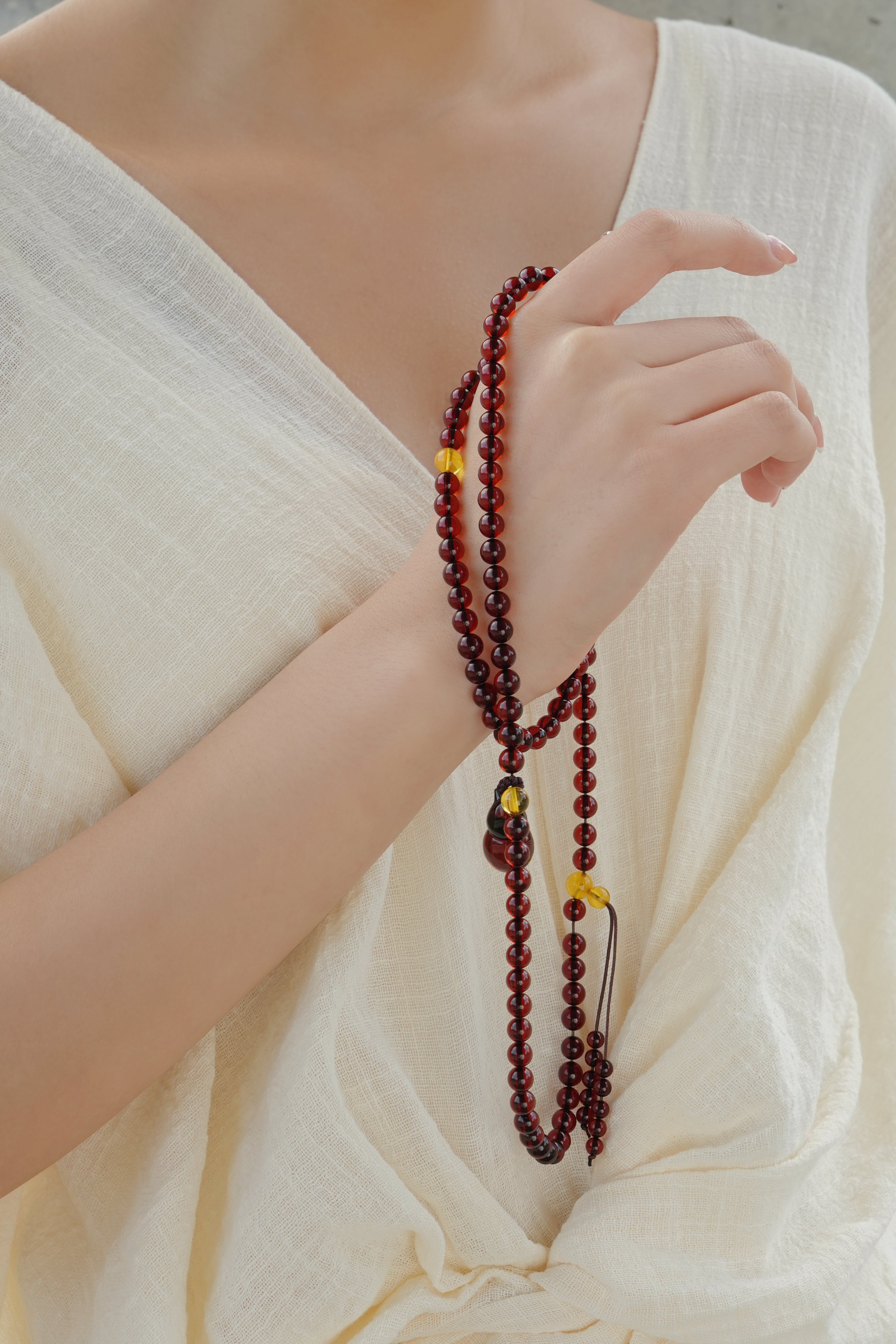

What Is Conscious Jewelry? Why Is It Becoming More Popular?
Explore what conscious jewelry means, why consumer habits are changing, and how shoppers choose meaningful pieces with lasting value.
The way people buy jewelry is changing.
For many shoppers, choosing a necklace, ring, or pair of earrings is no longer only about finding a beautiful design. More consumers are starting to ask different questions before making a purchase: Where was this piece made? What materials were used? Will I continue wearing it over time? Does this brand reflect the values I care about?
This shift has led to the growing interest in conscious jewelry.
Conscious jewelry represents a more thoughtful approach to buying and creating jewelry. It focuses on understanding the story behind each piece, from materials and production to design choices and long-term use.
Rather than simply buying more, many consumers are choosing pieces that feel more personal, practical, and meaningful.
What Is Conscious Jewelry?
Conscious jewelry does not have one strict definition. Instead, it describes a mindset that encourages more thoughtful decisions throughout the jewelry process.
For shoppers, conscious jewelry means paying more attention to what they buy and why they buy it. For brands, it means considering how materials are sourced, how products are made, how information is shared, and how designs can create long-term value.
A conscious approach to jewelry often includes:
- Clear product information
- Thoughtful material choices
- Responsible production practices
- Designs created for long-term wear
- Honest communication with customers
Conscious jewelry is not about creating a perfect product with zero impact. It is about making more informed choices and understanding the journey behind the jewelry we wear.
Why Is Conscious Jewelry Becoming More Popular?
Several changes in consumer behavior are driving the growth of conscious jewelry. Shoppers are becoming more interested in the story behind products and are looking for brands that offer more than just attractive designs.
Consumers Want More Transparency
One of the biggest reasons conscious jewelry is gaining attention is the demand for transparency.
Modern shoppers want to know more about the products they purchase. They are interested in details such as materials, production methods, and brand values.
A jewelry brand does not need to have every answer or claim perfection. However, providing clear and honest information helps customers make decisions with more confidence.
This growing focus on transparency is closely connected with ethical jewelry, where responsible practices and brand accountability play an important role.
People Are Choosing Quality Over Quantity
Another important change is the move from buying more pieces to choosing fewer pieces that offer more value.
Many consumers are becoming more selective. Instead of purchasing jewelry that follows a short-term trend, they are looking for designs they can wear repeatedly and enjoy for a longer time.
This is why quality has become an important part of conscious jewelry.
A well-designed necklace, bracelet, or pair of earrings can become part of someone’s everyday routine, making it more valuable than a piece that is rarely worn.
Learn more about how quality influences long-term value in our guide to jewelry quality and longevity.
Jewelry Is Becoming More Personal and Meaningful
Jewelry has always carried emotional value, but many consumers are now placing even more importance on personal connection.
A piece of jewelry may represent:
- A special memory
- A personal belief
- A cultural connection
- A meaningful milestone
This is why meaningful jewelry continues to grow in popularity.
Consumers are not only looking for accessories. They are looking for pieces that reflect who they are and fit naturally into their lives.
Is Conscious Jewelry the Same as Ethical Jewelry?
Conscious jewelry, ethical jewelry, and sustainable jewelry are often discussed together, but they focus on slightly different ideas.
Understanding the difference can help shoppers make better choices.
Conscious Jewelry
Conscious jewelry focuses on a more thoughtful approach to buying and creating jewelry.
It considers:
- Why a piece is purchased
- How it will be used
- What values are connected to the product
It represents a broader shift in consumer mindset.
Ethical Jewelry
Ethical jewelry focuses more on responsibility throughout the creation process.
This can include:
- Responsible sourcing
- Fair production practices
- Transparency
- Consideration for people involved in making jewelry
You can learn more about this topic in our guide on what makes jewelry ethical.
Sustainable Jewelry
Sustainable jewelry focuses more on environmental impact and long-term considerations.
This may include:
- Material choices
- Production impact
- Reducing waste
- Creating products with longer use cycles
Explore our article on what sustainable jewelry means to learn more.
How Conscious Jewelry Connects With Everyday Wear
Conscious jewelry is closely connected with the idea of everyday jewelry.
A thoughtful purchase is not necessarily the rarest or most expensive piece. Often, it is the jewelry that naturally becomes part of your daily routine.
Consider the pieces you wear most often:
The earrings that work with different outfits.
The necklace that feels comfortable all day.
The bracelet that adds a personal touch without needing a special occasion.
These pieces create value because they are used, enjoyed, and remembered.
For many modern consumers, choosing jewelry that fits everyday life is a more conscious way of building a collection.
What Should You Look for in Conscious Jewelry Brands?
There is no single checklist that defines every conscious jewelry brand, but several factors can help shoppers make more informed decisions.
Clear Information About Products
A brand should provide useful details about materials, sizing, care instructions, and product features.
Clear information allows customers to understand what they are purchasing.
Designs That Are Made to Be Worn
Jewelry that fits your lifestyle is more likely to become a long-term favorite.
Consider whether a piece:
- Matches your personal style
- Works with different outfits
- Feels comfortable for regular wear
Honest Brand Communication
Conscious brands focus on building trust through clear communication.
Instead of making unrealistic promises, they explain their choices and share their values in a straightforward way.
A Focus on Long-Term Value
A conscious approach encourages shoppers to think beyond the first purchase.
A piece that remains meaningful and wearable over time can create more value than something chosen only because it is currently popular.
Examples of Brands Exploring Conscious Jewelry Practices
Different jewelry brands approach conscious practices in different ways. Some focus on sourcing, some focus on transparency, and others focus on creating designs that become part of everyday life.
Pippa Small
Pippa Small is known for its focus on artisan relationships and responsible sourcing. The brand demonstrates how jewelry can connect craftsmanship with social responsibility.
AUrate New York
AUrate New York combines modern jewelry designs with an emphasis on transparency and responsible practices. Its approach shows how conscious ideas can exist within contemporary everyday jewelry.
Catbird
Catbird is recognized for delicate, minimalist designs that are created with everyday wear in mind. Its approach reflects how simple jewelry can become personally meaningful over time.
These examples show that conscious jewelry does not have only one path. Different brands may focus on different values, but they share a common goal: creating jewelry with more thought behind it.
Are Consumers Buying Less Jewelry but Choosing Better Pieces?
One of the biggest changes in jewelry shopping is the movement toward more intentional purchasing.
Many consumers are becoming less interested in constantly replacing accessories and more interested in finding pieces they genuinely enjoy wearing.
This shift connects with the idea of “buy less, choose better.”
Instead of building a large collection of rarely worn items, shoppers are increasingly choosing versatile designs that match their lifestyle and personal style.
This does not mean consumers are losing interest in jewelry. Instead, they are developing a deeper relationship with the pieces they choose.
Frequently Asked Questions About Conscious Jewelry
What does conscious jewelry mean?
Conscious jewelry refers to a more thoughtful approach to buying and creating jewelry, including consideration of materials, production, design, and long-term use.
Why is conscious jewelry becoming popular?
Conscious jewelry is becoming more popular because consumers are paying more attention to transparency, quality, personal meaning, and brand values.
Is conscious jewelry the same as ethical jewelry?
Not exactly. Conscious jewelry focuses on a broader mindset around thoughtful choices, while ethical jewelry focuses more specifically on responsible practices within the production process.
What makes a jewelry brand conscious?
A conscious jewelry brand usually provides clear information, considers responsible practices, creates wearable designs, and communicates honestly with customers.
Are consumers buying fewer but better jewelry pieces?
Many consumers are becoming more selective and choosing jewelry that offers better long-term value rather than purchasing pieces only because of short-term trends.
Final Thoughts
Conscious jewelry reflects a larger change in the way people think about what they buy.
Today’s shoppers are not only looking for beautiful designs. They are also interested in the story behind each piece, the values of the brand, and whether the jewelry will continue to be meaningful over time.
The most special pieces are often not the ones purchased impulsively. They are the ones that become part of everyday moments, personal memories, and individual style.
By choosing jewelry more consciously, consumers can build collections that feel more personal, intentional, and lasting.



Comments