



The Global Rise of Oriental Motif Jewelry: From Chinese Heritage Design to High Fashion Accessories
Exploring the global phenomenon of Oriental motif jewelry, this piece highlights how ancient Chinese patterns, rich in cultural symbolism, are being reinterpreted by designers to become a defining, sophisticated trend on international luxury runways.
A profound design wave, one that began in the heart of the East, is now sweeping across the global fashion landscape. And truly, this feels like so much more than just another fleeting trend. It’s an aesthetic homecoming, a beautiful cultural conversation happening right now on every international runway fashion Asian influence touches. From the sleek couture houses in Paris to the high-end jewelry ateliers in New York, the oriental motif has become a powerful, undeniable force in the oriental jewelry trend.

This rise, my dear reader, is fueled by a collective yearning. We’re no longer satisfied with mere pretty things; we want beauty with a backstory, an object that carries history, narrative, and deep emotional resonance. That’s precisely the depth that oriental design symbolism offers. Today, you see both top-tier luxury brands and cutting-edge independent designers diving back into the ancient wisdom embedded within Chinese pattern jewelry and the unmistakable power of auspicious Chinese symbols.
These motifs aren't just visually stunning; they create a cultural connection that transcends language. It all ties back to millennia-old oriental lucky patterns—symbols intended to bring protection, prosperity, and harmony. So, when we talk about oriental-inspired accessories, we aren't just observing an Eastern aesthetic trend; we're embracing a cultural confidence steeped in Chinese heritage design, an ancient power that is proving capable of touching hearts across all cultural boundaries.
The Genesis of Oriental Patterns: From Folk Symbols to Imperial Aesthetics
If we truly want to understand the enduring appeal of oriental jewelry patterns, we have to journey back to their roots in both simple folk art and grand imperial magnificence. It’s fascinating to realize that many of the classic motifs we see today in high fashion oriental motif collections started as people’s most fundamental wishes: hopes for a good life and protection against misfortune.
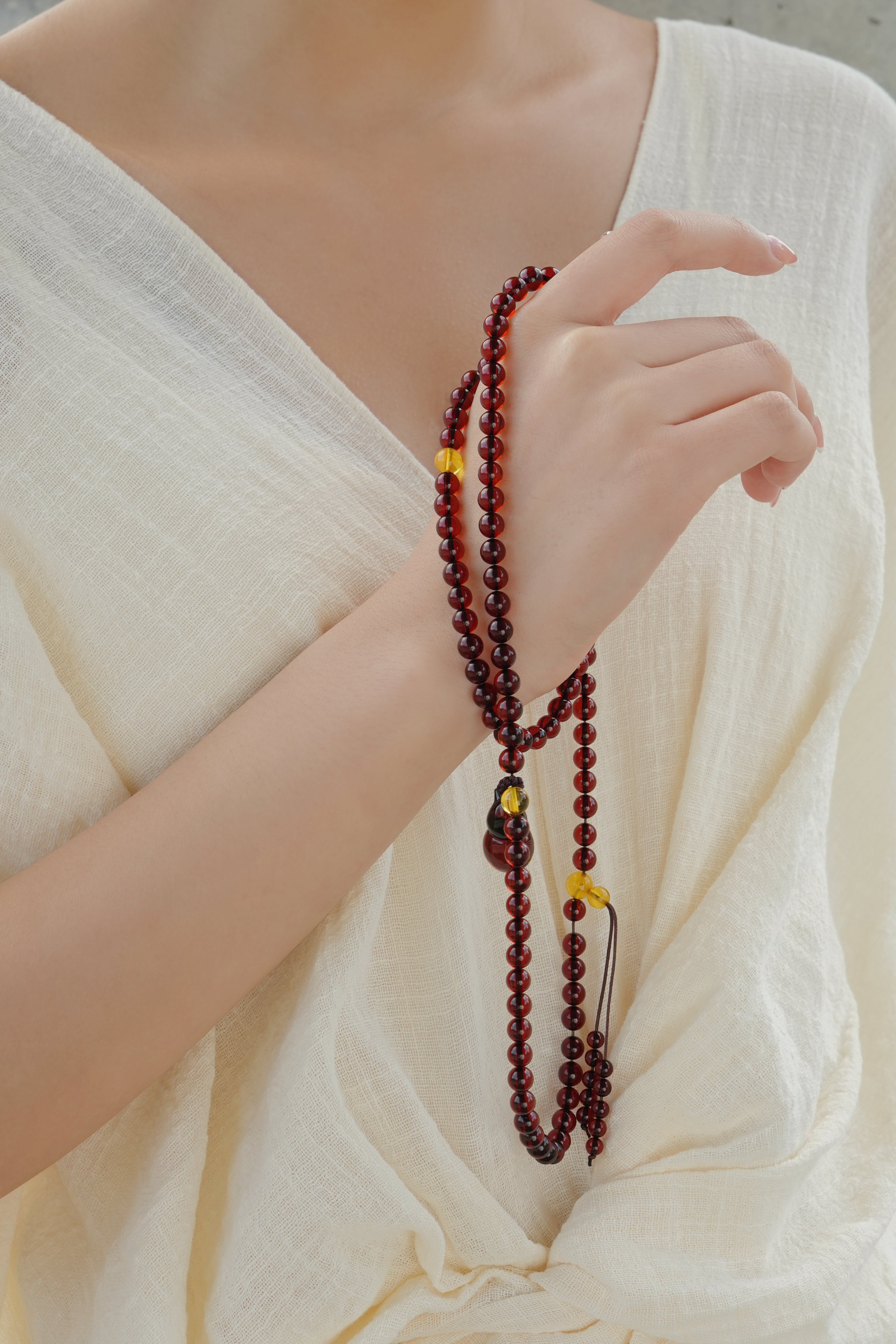
Take the cloud pattern symbolism (or Xiangyun). It symbolized the heavens, ascension, and continuous good fortune, gracing everything from imperial robes to temple carvings. Its fluid, winding lines lend this ethereal quality to designs, often reimagined today as striking cloud motif earrings. Then there's the lotus pattern jewelry, revered for its ability to rise, unsullied, from the mud—it embodies purity, rebirth, and spiritual perfection. And let's not forget the charming gourd symbol meaning. Because of its shape and many seeds, it represents prolific descendants and accumulated wealth, and it often carries a protective jewelry meaning, warding off bad luck.

These powerful symbols evolved beautifully from simple folk art into the refined, standardized Chinese vintage motifs of the court. The sheer precision and the depth of meaning established them as an inexhaustible, endless source for Asian motifs jewelry. If you’re curious to explore the deeper meanings of the lotus, gourd, or cloud patterns in Oriental culture and how they've become such central representations of cultural symbolism in jewelry, you might find this complete analysis helpful: Oriental Jewelry Symbols Explained: Lotus, Gourd, Clouds & More.
Key Historical Nodes in the Global Journey of Oriental Patterns
The globalization of oriental patterns wasn't an instant phenomenon; it unfolded through several critical historical moments, each etching a deep, lasting impression on the spread of global fashion oriental style.
Our first major turning point arrived with the sheer elegance of the blue and white porcelain pattern making its way into European salons. Starting in the 17th century, the burgeoning maritime trade brought loads of blue and white vessels and textiles to noble European homes. That iconic cobalt blue against pure white, depicting intricate landscapes and wave patterns, started the huge "Chinoiserie" craze. This particular Chinese blue-and-white design didn't just influence interiors; it inspired the earliest examples of blue and white porcelain inspired earrings and jewelry designs, becoming a classic testament to East-West aesthetic fusion.

Next, we entered the period of Orientalism in the late 19th and early 20th centuries. In the Western artistic imagination, the East was often viewed as a place of mystery and exotic luxury. During this era, from Cartier’s use of Chinese jade and lacquer to European houses adapting silk embroidery and structural collars, the influence of the Asian fashion trend exploded. This was vital in elevating the status of oriental jewelry from mere curiosity to an essential, respected design reference.
Finally, the past few decades have brought us the wonderful collaboration between international museums and design brands. As cultural exchange deepened, the Western design world started craving a more authentic understanding of Chinese cultural heritage. By working with museums and traditional craftspeople, designers gained access to the most authentic patterns, turning ancient traditional pattern earrings and original motifs, rich with the history of Chinese patterns in jewelry, into modern, abstracted creations. This step injected genuine, lasting vitality into the global fashion oriental style.
Modern Applications of Oriental Motifs in Jewelry and Fashion
Today's designers have clearly moved past simple replication; they’re engaging in sophisticated deconstruction and refinement. They’re truly innovating with materials and craftsmanship to answer the question, "what is oriental jewelry," by creating stunning new modern oriental design ideas.

For example, blue-and-white pattern inspired jewelry isn't restricted to glaze anymore. It’s now beautifully expressed through dazzling combinations of enamel, gold, and sapphires. A high jewelry house might use white opal or mother-of-pearl as the 'porcelain' base, outlining abstract wave or floral patterns with delicate blue diamonds or expertly fired oriental enamel jewelry. This manages to preserve the delicate elegance of the blue-and-white aesthetic while giving the piece a modern, luxurious feel.
Cloud motif earrings, on the other hand, are often rendered in light, fluid metal lines. Designers take the beautiful, meandering form of the auspicious cloud and transform it into sculptural pieces of gold or silver, focusing on movement and supreme comfort for the wearer. This perfectly fuses the ancient appeal of why oriental patterns are popular in fashion with today's need for wearability.
The lotus pattern reinterpretation tends to lean toward spirituality and minimalism. The full, traditional petals are simplified into clean geometric lines or a single, elegant silhouette, often complemented by the gentle sheen of jade or pearls. This makes the piece beautifully suited for daily wear while still being deeply rooted in jewelry with cultural meaning. This refined expression of lotus and gourd symbolism in accessories transforms jewelry from just an ornament into a quiet mirror of the wearer's inner world, which certainly helps explain why oriental motifs are trending.
How Contemporary Designers Reinterpret Oriental Motifs
The central challenge for contemporary designers is translating the ancient oriental motif into a global, modern language. Their solutions often revolve around minimalism and a very clever understanding of color psychology.
Minimalist lines and abstract art are absolutely key. Many designers now avoid depicting complete lotuses or gourds, instead extracting their core curves, silhouettes, or inherent symmetry for abstraction. This modern interpretation of oriental patterns makes the designs incredibly versatile, allowing them to integrate easily into diverse cultural wardrobes without feeling like a "tourist souvenir."
Beyond form, the modernization of color use is vital. Oriental culture assigns deep symbolic meaning to color: red is celebration and power (meaning of red in Chinese culture), gold symbolizes wealth and dignity (meaning of gold color jewelry), and blue/green and ink tones convey elegance, tranquility, and scholarly refinement. Designers are masterfully using the color psychology in jewelry to integrate these oriental color symbolism meanings. For instance, using rich gemstones like emeralds and rubies, aligning perfectly with the jewel tone fashion trend, to express those traditional colors. This thoughtful, precise grasp of color energy dramatically enhances the global influence and fashion appeal of oriental patterns.

If you’re interested in exploring the emotional value of color in Oriental aesthetics and picking up some specific styling inspirations, you might enjoy this read: Oriental Color Psychology and Styling. Through this approach, designers elevate Asian motifs jewelry to a new level—making them not just beautiful objects, but conduits of energy.
Spotlight on Oriental Motifs at International Fashion Weeks
The global rise of oriental motif jewelry has been vividly showcased by a series of landmark designs and collaborations on international runways. Fashion Week is the global trend barometer, and it clearly marks the sophisticated evolution of this cultural movement.
At Paris Fashion Week, we’ve seen recurrent collections built around blue-and-white porcelain inspired jewelry. One prominent house, for example, launched accessories based on ink wash painting, utilizing custom blue crystals and platinum to depict abstract, cool landscapes, as if the models were wearing fragments of blue and white porcelain patterns. This effortlessly blended the elegance of the Chinese blue-and-white design with classic French romanticism, proving that the two can merge perfectly.
Milan runways often favor dramatic sculptural quality and material contrast. Here, designers have transformed the cloud pattern symbolism into highly exaggerated, large-scale cloud motif metal carved accessories. These large necklaces or bold bangles use complex openwork techniques and high-sheen modern metals (like rhodium or rose gold) to capture the flow and layers of the cloud motif, creating a unique aesthetic that feels both ancient and future-forward.
Meanwhile, New York Fashion Week tends to combine Oriental symbols with streamlined minimalist styles. Designers prefer using a single, abstract oriental symbol (perhaps a clean gourd outline or a simplified lotus petal) as a single point of focus, paired with sharp tailoring or contemporary dresses. This "less is more" philosophy ensures that oriental patterns on international runways appear undeniably chic and sophisticated, perfectly fitting the contemporary woman’s desire for strength and understatement. These real-world examples show us clearly how luxury brands use Chinese motifs to shape the global fashion conversation.
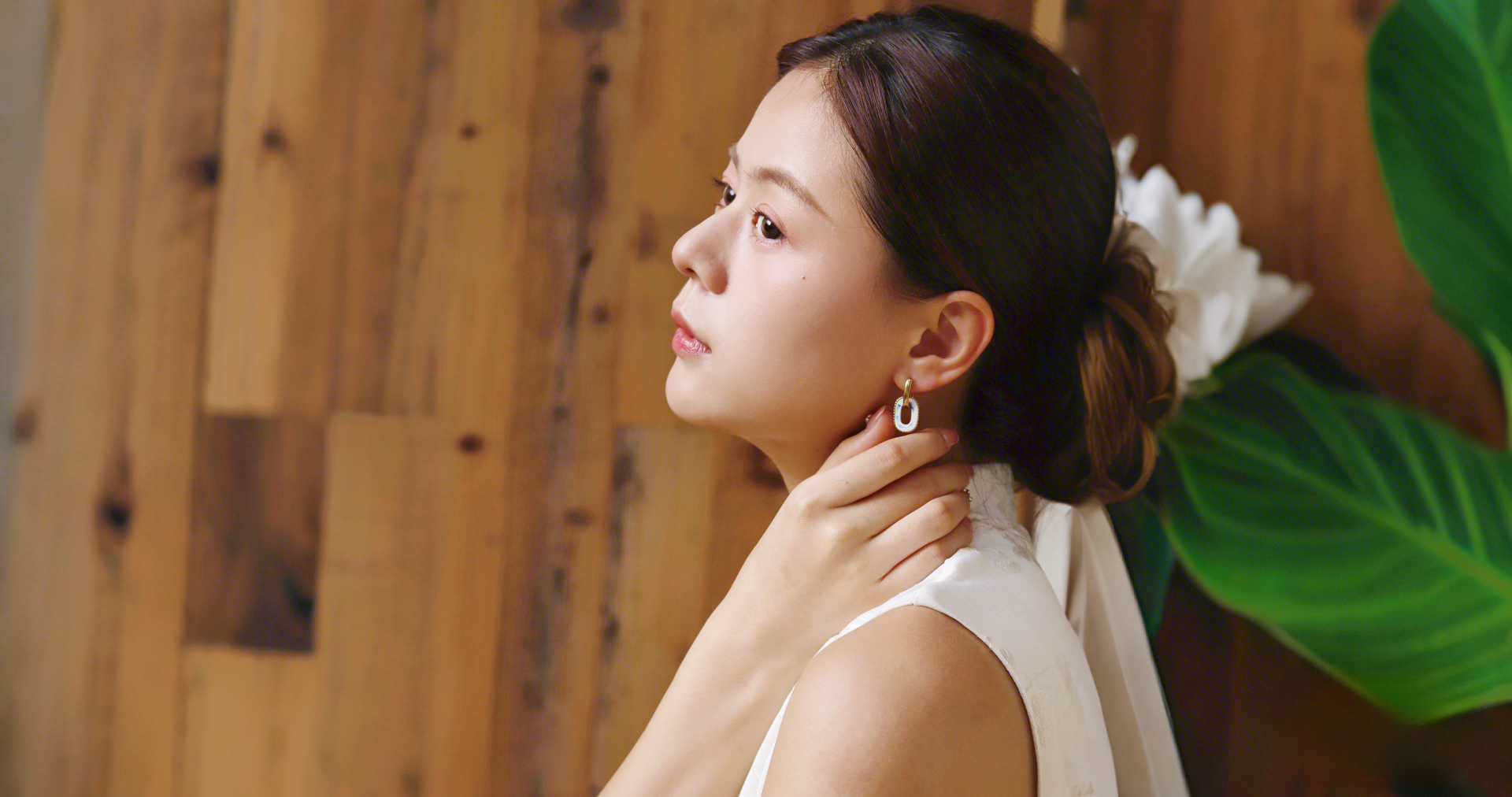
(Image cr. IG @yifei_cc)

Why Oriental Motifs Resonate Across Cultures
Why do these patterns successfully cross every cultural barrier and earn such global devotion? It’s because at their core, they carry symbolic meanings that all of humanity instinctively yearns for.
Firstly, there's the universal pursuit of luck and protection. Whether you're drawn to the purity of the lotus, the promise of wealth in the gourd, or the protection of the auspicious cloud, the “good fortune” and protective jewelry meaning embedded in this cultural symbolism in jewelry address universal emotional needs. When the world is looking for spiritual grounding and strength, these ancient oriental lucky patterns naturally step forward as a form of amulet, satisfying our deep need for security. This belief in the power of symbols shares a clear lineage with the global protection jewelry amulets evil eye meaning trend we see everywhere.
Secondly, there is the draw of aesthetic energy and balance. Oriental design philosophy is not about extreme flamboyance; it’s about internal harmony and order. Designs that embody the lotus and gourd symbolism reflect a balanced, restrained oriental temperament. In our often hectic, modern lives, the tranquility, composure, and sense of order conveyed by this Eastern aesthetic trend offer a psychological "anchor," helping the wearer reconnect with their inner calm.
So, when a consumer chooses to wear a piece of jewelry with cultural meaning, they aren't just buying an accessory; they are affirming Chinese heritage design and making a quiet, confident declaration about their own values. This deep, personal resonance ensures that the global rise of oriental motif jewelry has truly long-lasting vitality.
How to Appreciate and Select Oriental Pattern Jewelry
Choosing oriental jewelry as a discerning consumer is a wonderful journey of discovery—it’s about finding the piece that speaks to you. Here are a few tips to help you better appreciate and how to choose symbolic jewelry, and how to integrate them effortlessly into your daily style:
- Let Meaning Guide You: Before you buy, ask yourself: "What kind of energy do I need in my life right now?" If you're seeking calm and spiritual growth, a necklace with lotus symbol meaning is perfect. If you’re looking for professional advancement and continuous luck, striking cloud motif earrings might be more appropriate. For wealth and family happiness, look for a gourd pattern necklace. Understanding the meaning behind Chinese patterns will make your jewelry selection feel deeply personal and empowering.
- Harness Color Psychology: Use oriental color symbolism to enhance the emotional value of your styling. For instance, if you want to project composure and professionalism in a business setting, choose a piece with a blue-and-white aesthetic like traditional pattern earrings or a simple pendant. For a celebratory evening, an enamel piece accented with the bold meaning of red in Chinese culture can instantly elevate your entire presence.
- Master Modern Minimalism: The key to learning how to style oriental jewelry is elegant balance. Use just one piece of abstract, modern oriental design ideas as your outfit's focal point. Pair it with minimalist clothing staples, such as a structured blazer, a crisp white shirt, or a simple cashmere dress. Avoid over-accessorizing with too many ornate Oriental elements at once; keep the look chic and modern.
- Find Your Daily Scenario: Remember, oriental-inspired accessories aren't just reserved for formal events. A delicate cloud pattern ring or an exquisite pair of lotus pattern stud earrings can add an element of effortless cultural depth and sophisticated intrigue to your daily wear, whether you’re in your favorite jeans or a comfortable sweater.
Conclusion
The success of oriental patterns on the global fashion stage is truly a double victory—a win for aesthetic beauty and a testament to enduring cultural wisdom. These patterns remind us that true luxury isn't about the price tag; it's about the story, the history, and the meaning we carry with us. From the hands of humble folk artisans to the blinding spotlights of the world’s runways, these motifs, carrying the essence of Chinese heritage design and their unique Asian motifs jewelry charm, will continue to captivate every woman who seeks depth, power, and beauty in her life.
We can confidently predict that in the years to come, the appearance of oriental motifs on international runways will only become richer and more diverse. As designers continue to explore the modern interpretation of oriental patterns, this global fashion oriental style will keep bringing choices full of wisdom, power, and poetry to our wardrobes and, most importantly, our jewelry boxes. To wear an Oriental motif is to wear history, telling a timeless story of beauty and good fortune.
(Image from CHANEL 2024/25 Métiers d'art show)



Comments