


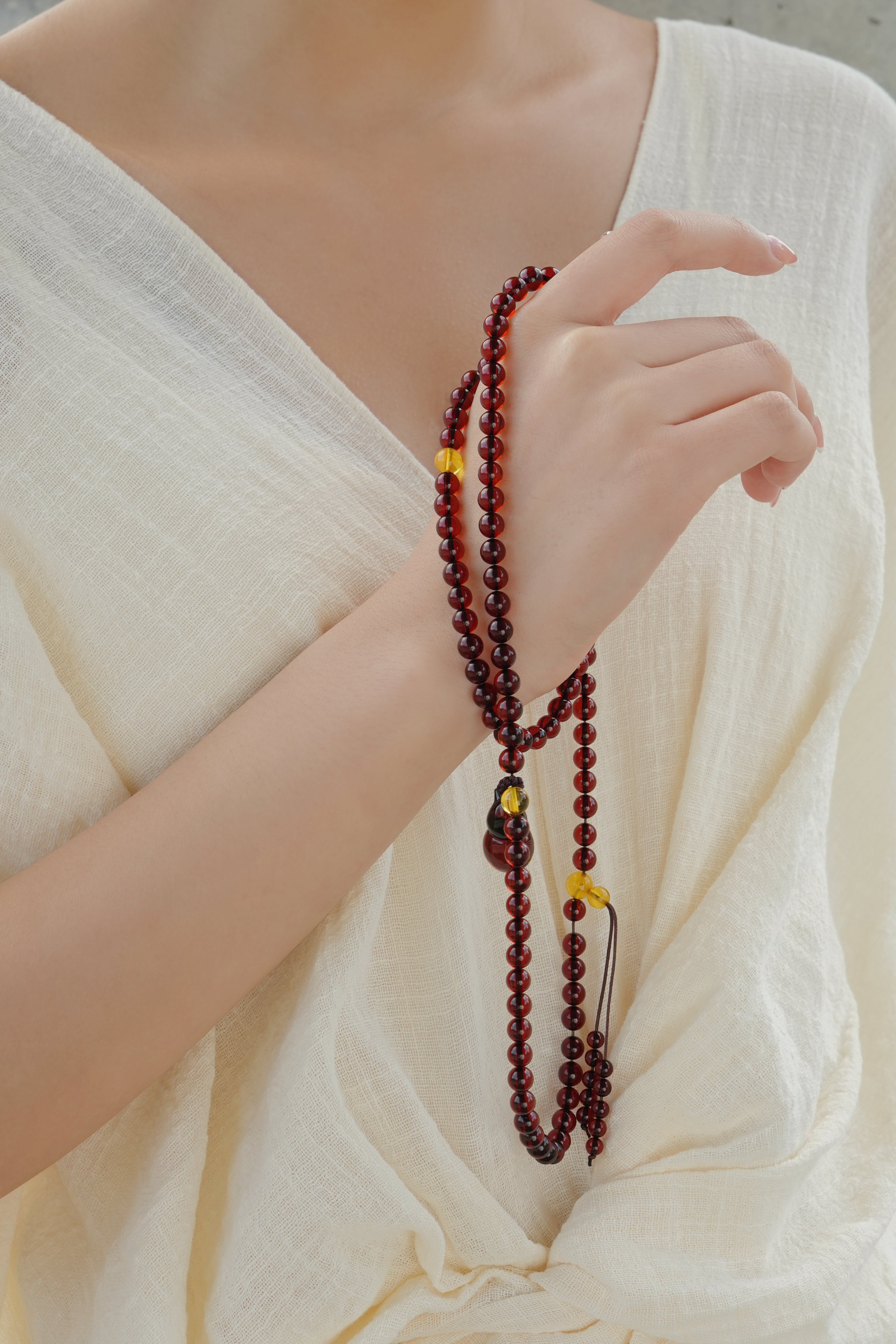

Jewelry for Everyday Wear: The No-Nonsense Guide to Your Signature Staples
Stop settling for jewelry that itches, snags, or tarnishes. Build a durable, "second-skin" collection with this guide to daily staples.
There’s a specific kind of frustration that comes with a "fashion-only" jewelry box. You know the feeling: you’re running late for work, you grab a necklace to finish your look, and thirty minutes later, it’s tangling with your headphone wires or itching your neck. By lunchtime, it’s in your desk drawer, and you’re wondering why you bought it in the first place.
Building a collection of jewelry for everyday wear isn't about buying smaller things; it's about buying smarter things. It’s about pieces that can survive a 9-to-5, a sweaty HIIT session, and a dinner date without needing a single adjustment.
Here is how you curate a lineup that actually stays on your body.
The "Second Skin" Standard: What Qualifies?
Daily jewelry shouldn’t be a burden. If you’re constantly aware that you’re wearing it, it’s probably not a daily piece. True staples meet three brutal criteria:
- Low Profile: It doesn't snag on your favorite knit sweater or scratch your toddler’s face.
- Biocompatibility: It won't turn your skin green or trigger an itchy rash by 4 PM.
- Mechanical Strength: The clasps won't snap if they get a slight tug while you're taking off your coat.
Why Your "Occasion" Pieces Are Failing You
The biggest mistake is trying to "dress down" high-maintenance jewelry. Opals, pearls, and emeralds are beautiful, but they are soft. Expose them to daily hand soap, dishwater, or gym sweat, and they will lose their luster—permanently. Daily wear is the domain of hard stones (like diamonds or sapphires) and solid metals.
Material Science: Choosing the Right "Metal Weight"
The "green finger" isn't a mystery; it's a chemical reaction. If you want to avoid it, you have to understand what you're paying for.
| Metal Type | The Reality Check | Best For |
| High-Quality Alloy | Lightweight and dirt cheap. It will fade, but it's great for testing out a new trend before committing. | Seasonal Trends |
| 925 Sterling Silver | It’s the workhorse of the jewelry world. If it dulls, a 30-second polish brings it back. | Daily Rings & Bands |
| Gold Vermeil | This isn't just "plated." It's a thick gold layer over silver. It feels expensive but doesn't require a bank loan. | Chains & Pendants |
| Solid 14k Gold | The "buy it once, wear it forever" choice. You can swim, sleep, and shower in it. | The "Never-Take-Off" Studs |
The Sweat Test
If you are active, stay away from "brass-base" plated jewelry. The acidity in human sweat eats through thin plating in weeks. If you work out with your jewelry on, stick to stainless steel, silver, or solid gold.
Curating Your "Core Four"
You don’t need twenty pieces. You need four that work together.
1. The "Sleep-Safe" Earring
Traditional butterfly backs are notorious for poking you in the neck during phone calls or naps. Switch to Huggies (mini hoops) or Flat-Back Studs. They stay secure and won't snag on your face mask or hairbrush.
2. The 18-Inch "Anchor" Chain
A mid-length chain in a Cable or Wheat link is the most durable choice. Unlike "Snake chains," these won't kink or snap if they get twisted in your sleep.
3. The Low-Profile Band
Look for "Comfort Fit" rings. These are domed on the inside so they don't pinch your skin when you're carrying heavy grocery bags or gripping a steering wheel.
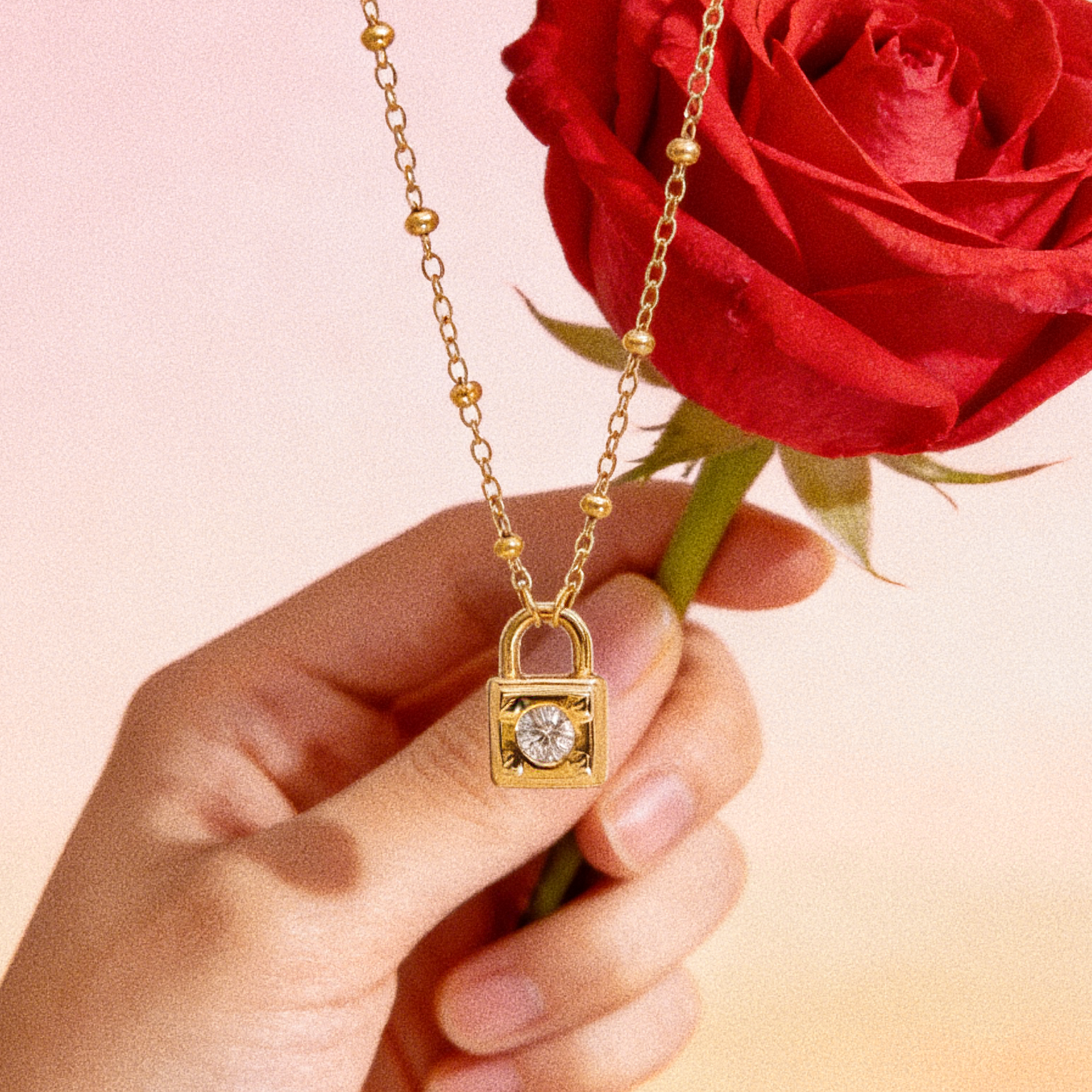
4. The Functional Pendant
A small, solid medallion or a bezel-set stone is ideal. Avoid "prong-set" stones for daily wear; those tiny metal claws love to catch on loose-thread clothing.
Keeping Your Pieces Alive: The Maintenance Truths
Forget the expensive "jewelry cleaning kits." Most of those chemicals are too harsh for daily use.
- The Dish Soap Trick: A bowl of warm water and a tiny drop of Degreasing Dish Soap (like Dawn) is the industry secret. It breaks down the body oils and lotion buildup that makes diamonds look cloudy.
- The "Last On" Habit: Put your jewelry on after your hairspray has settled. Alcohol-based sprays are the #1 cause of dull, pitted metal.
- Storage is Not Optional: Tossing everything into a ceramic bowl at night is a recipe for scratches. Use a fabric-lined tray where pieces don't touch each other.
FAQs
1."My silver necklace is turning black. Is it fake?"
Actually, it’s the opposite. Real silver reacts with sulfur in the air. If it didn't tarnish, it likely wouldn't be silver. A quick rub with a microfiber cloth fixes it instantly.
2."Can I wear my rings while using hand sanitizer?"
Try not to. The high alcohol content in sanitizer can "dry out" certain stones and eventually erode the finish on plated jewelry. Slide them off, sanitize, wait for your hands to dry, and slide them back on.
3."How many pieces is too many?"
In the world of everyday style, the "Rule of Three" usually wins. Three visible pieces (e.g., earrings, a necklace, and a ring) look intentional. Four or more can start to look cluttered.
4."My skin is reacting to my new piece. Is it a fake?" Not necessarily, but it might be the wrong material for your body chemistry. If you’ve ever wondered why your necklace turns green or leaves a dark mark, it’s often a sign that the metal is oxidizing against your sweat or lotion. Switching to hypoallergenic metals like 14k gold or surgical-grade steel usually solves the problem instantly.
Conclusion
Your jewelry shouldn't be a chore you deal with every morning. It’s a signature. When you find that perfect balance of high-quality metal and "forget-it's-there" comfort, you stop worrying about your accessories and start wearing them.
What’s that one piece you’ve worn for years and never taken off? We’re looking for the best "survivor" stories—share yours in the comments below.


Comments