


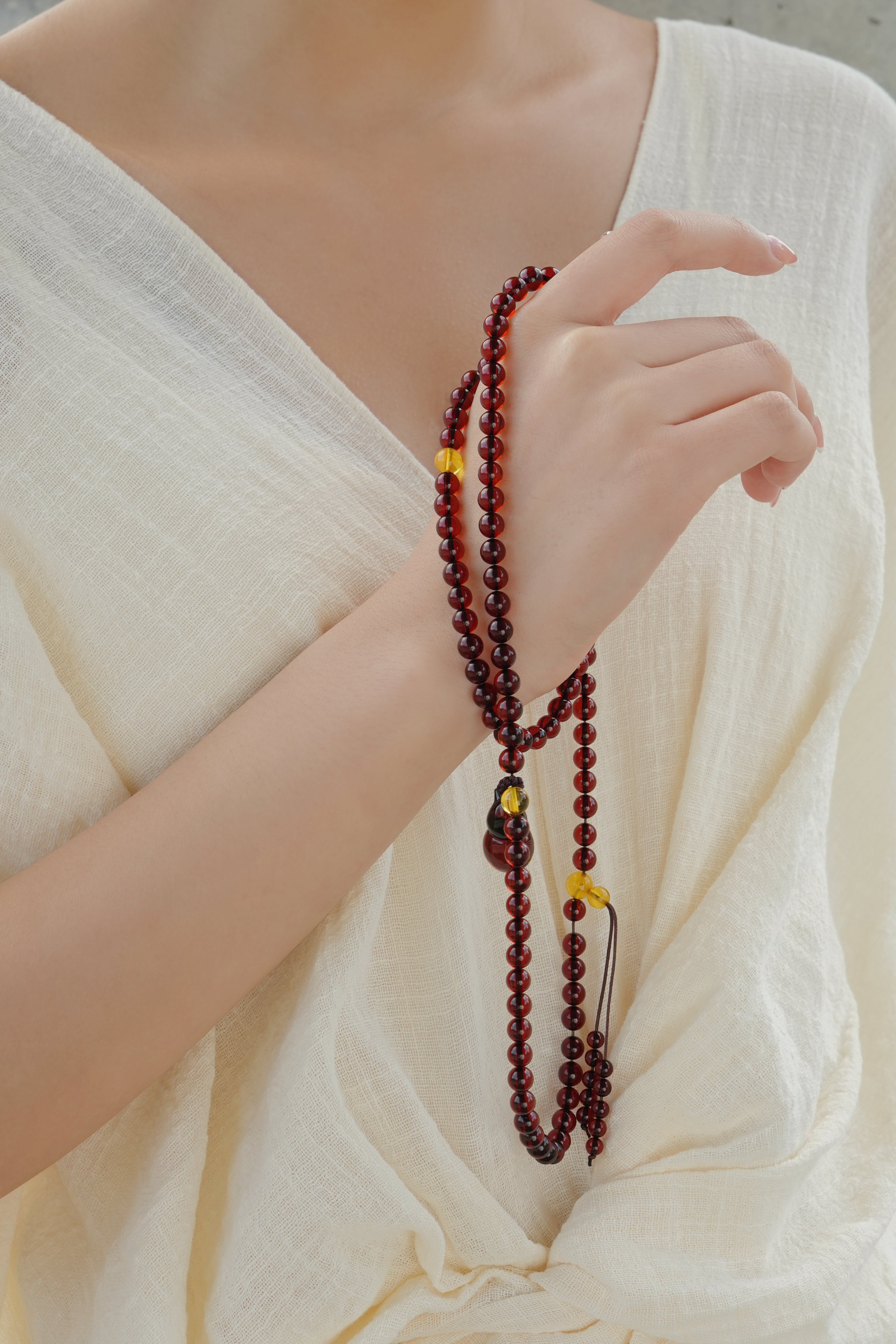

The Weight of the Morning: Jewelry as Daily Ritual
In 2026, jewelry as daily ritual transcends simple decoration, serving as a vital tactile anchor that fosters mindfulness and emotional continuity in an increasingly digital and ephemeral world.
The quietest moments of the morning often carry the most weight. Before the digital world demands our attention, before the first notification shatters the silence, there is a brief window of physical reality. You reach for a glass of water, feel the cool ceramic of a mug, and then, there is the familiar weight of the jewelry box. We slide a band of gold over a knuckle or struggle with a stubborn lobster clasp at the nape of the neck.
In these seconds, jewelry as daily ritual begins. It is not an act of decoration, nor is it a performance for the day ahead. It is a grounding mechanism—a way of tethering the self to the body before the mind begins its daily drift into the abstract cloud of data. As we navigate 2026, the cultural conversation around what we own has undergone a subtle but profound shift. The era of the "statement piece"—those loud, heavy declarations of status—has been replaced by something far more intimate.
We are witnessing a new era where the value of an object is measured not by how many heads it turns, but by how it makes us feel when we are alone. This isn’t fashion; it is the emotional function of the objects we keep close acting as a form of personal infrastructure for the soul.
The Weight of the Modern Moment
Modern life has become a series of intangible, frictionless experiences. We spend our hours swiping glass and processing a relentless stream of information that exists everywhere and nowhere. This persistent digital fatigue has created a collective hunger for things that actually push back—things that have weight, temperature, and a bit of soul-friction.
Ritual has always been the human answer to chaos. Today, the most vital rituals are the ones we perform in private. They are the small, looped behaviors that remind us we are here. To embrace jewelry as daily ritual is to recognize that a small physical object can act as a container for focus. It is a touchstone in a world that often feels untouchable. The simple sensation of metal against skin provides a sensory boundary, helping us navigate the complexities of contemporary life without losing our center.
The Tactile Language of Presence
There is a specific, almost musical rhythm to the way we inhabit the objects we wear. It is the rhythmic clink of a stack of bangles against a laptop, or the way a thumb traces the familiar, worn-down edge of a signet ring during a long commute. These movements are not nervous ticks; they are the physical markers of a mindful practice. The jewelry becomes an extension of the nervous system—a tactile anchor that brings the mind back to the body when the world begins to feel too loud or too fast.
When an object is integrated into a daily cadence, it ceases to be an "accessory." The word accessory implies something secondary. But when we view jewelry as daily ritual, the piece becomes essential. It is part of the morning’s preparation, as fundamental as a breath or a cup of tea. It offers a sense of continuity, providing a silent, analog reassurance that we are physically present in our own lives, even when our minds are miles away.
The Sovereignty of the Private Gaze
For a long time, the narrative of jewelry was centered on the observer. We were told that jewelry was a way to communicate—a symbol of status or a signal to others. While those functions still exist, they have become secondary to the internal experience. The most significant shift in 2026 is the realization that the primary audience for jewelry is the person wearing it. This is jewelry worn for the self, sometimes hidden under a sleeve, known only to the wearer.
Wearing jewelry as daily ritual is an act of self-communion. It requires no audience and demands no explanation. There is something delicious about wearing a piece of jewelry that no one else will see, or a piece whose meaning is a private joke between you and your past. This complex intersection of jewelry and identity is a subject worth its own conversation, especially when we move away from public symbols toward private markers of the self. This shift reflects a deeper truth: the personal meaning of a piece outlasts any passing style.
Beyond the Occasion
We are finally moving away from the strange idea that jewelry should be reserved for the special. For decades, the logic was that the more precious the object, the less it should be used. We kept our finest things in dark boxes, waiting for moments that happen perhaps a handful of times a decade. This created a sad disconnect between our most meaningful objects and our actual lives.
By reframing jewelry as daily ritual, we dissolve the barrier between the sacred and the mundane. The ritual does not require a red carpet to be valid; the ritual is what makes a Tuesday morning special. There is a quiet, rebellious joy in wearing your favorite diamonds while making toast. It suggests that the ordinary life—the life of quiet evenings and rainy afternoons—is worthy of being honored. This perspective defines the true meaning of everyday jewelry, where the resonance of a piece comes from the thousands of ordinary hours it has spent in contact with your skin.
The Continuity of Repetition
There is a unique, almost hypnotic power in the repetition of the same. In a culture that often prizes newness, there is a deep, soul-level comfort in the same. To wear the same earrings every day for a year, or the same bracelet for a decade, is to create a physical timeline. The object begins to absorb the patina of your life. It carries the microscopic scratches of your movements and the slow deepening of color in the metal.
This repetition is the heart of jewelry as daily ritual. It builds a sense of emotional history that is layered, day by day. Over time, the jewelry and the ritual of putting it on become a form of autobiography. You don't just remember who you were when you bought the piece; you remember who you were every morning you put it on. This shift toward lasting value is one of the most significant emotional trends of 2026.
The Human Need for Weight
In 2026, we have reached a tipping point where the physical weight of a ring feels like a necessary correction to a life lived in the cloud. We need things that don't change when the software updates. We need things that have no battery life and no user agreement. The ritual of jewelry is, at its core, a celebration of the analog. It is a small rebellion against the frictionlessness of modern life.
The sensory experience of jewelry is what allows it to function as a ritual. The way a heavy gold band resists the movement of a finger provides a constant feedback loop. It tells us where we end and the world begins. It is the opposite of a virtual interface; it is a reality-tether for the wrist or the neck. This grounding is essential, allowing us to use jewelry as an anchor to manage our internal states through the simple, physical presence of the piece.
A Supportive Infrastructure
Looking toward the remainder of the decade, the role of jewelry will likely continue to move inward. As our environments become smarter and our lives more automated, the need for the low-tech comfort of jewelry as daily ritual will only grow. We do not need our jewelry to tell us the time or track our heart rate. We need it to be a silent, analog anchor that asks nothing of us and provides a steady sense of self.
In 2026, jewelry functions as emotional infrastructure. It is a subtle, supportive presence that doesn't demand attention. It simply exists, providing a point of contact with our own humanity. We are no longer decorating ourselves for the world; we are equipping ourselves for the day.
The Weight of the Ring
The ritual is never really about the gold or the stone. Those are just the mediums. The ritual is about the pause. It is about the three seconds it takes to clasp a chain—a moment where you are not thinking about your inbox, but simply the coordination of your fingers and the cool touch of metal.
When we embrace jewelry as daily ritual, we are practicing a form of mindfulness that doesn't require an app or a silent retreat. It is a way of saying, I am here, I am physical, and I am choosing how I enter the world. It is a small act of intention that ripples through the rest of the day, providing a steadying influence we can touch whenever the world feels too fast.
What does it mean to carry a piece of your own history on your hand every day? Perhaps it is not about the past at all, but about the steady, quiet assurance of the present moment. The ritual continues every morning, not because the jewelry has changed, but because we have, and we need the jewelry to remind us of the constant thread that runs through it all.
How do you feel the weight of your own rituals today?



Comments