


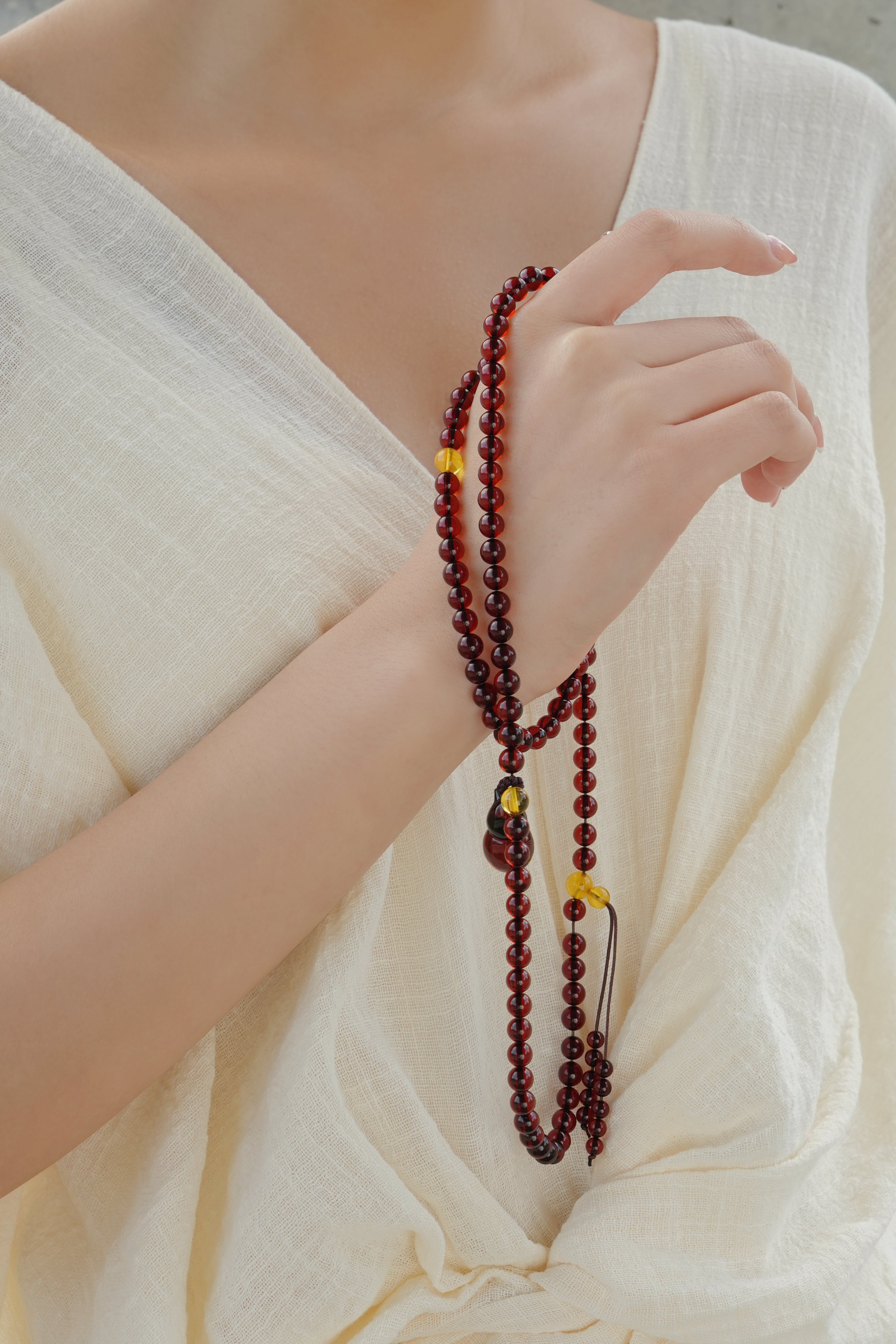

How to Create Your Own Charm Necklace: The Complete DIY Guide to Professional Jewelry Making
Master DIY jewelry with this professional guide on materials, tools, and steps to craft your own personalized, high-quality charm necklace.
The charm necklace has made a triumphant return to the high-fashion spotlight, but for those who value true style, it has never truly left. More than just a simple accessory, it serves as a wearable scrapbook—a clinking collection of milestones and a visual diary of your unique journey. In an era of mass-produced fast fashion, the desire for something bespoke has fueled a massive resurgence in the DIY charm necklace. By choosing to make your own charm necklace, you aren't just assembling a piece of jewelry; you are mastering a craft to curate a legacy of symbols that reflect exactly who you are.
Whether you are drawn to the "maximalist" aesthetic—a crowded, eclectic chain full of vintage tokens—or a sleek, minimalist charm necklace featuring a single, meaningful initial, the beauty of this craft is its accessibility. You don’t need a decade of bench-jewelry training to create a professional-grade piece. With the right charm necklace materials, a few essential charm necklace tools, and a spark of inspiration, anyone can master the art of the personalized charm necklace.
What Is a Charm Necklace and Why It’s So Popular
To understand why we love these pieces, we have to look back. For centuries, humans have worn amulets and talismans to ward off bad luck, celebrate victories, or signify status. Ancient Egyptians wore charms to identify themselves to the gods, and Queen Victoria later turned the aesthetic into a high-fashion statement by wearing gold lockets containing family silhouettes.
Today, the modern fashion interpretation is all about storytelling and versatility. We live in a digital age, yet we crave tactile connection. A custom charm necklace allows us to carry our children’s birthstones, a tiny shell from a memorable summer, or a celestial symbol that reminds us of our grandest goals.
The reason a DIY charm necklace is currently trending over ready-made options comes down to intentionality. When you buy a pre-assembled piece from a department store, you are wearing someone else’s vision. When you make your own charm necklace, every link, every jump ring, and every pendant has a reason for being there. It becomes a conversation starter—a piece of art that evolves as your life does.
Materials You Need to Make a Charm Necklace
Before you start your creative journey, you need to gather high-quality charm necklace materials. Since these necklaces often become daily staples, I recommend choosing durable metals like gold-filled, sterling silver, or high-quality vermeil to ensure your creation stands the test of time.
Necklace Chains
The foundation of any DIY necklace is the chain, but not all chains can handle the weight of multiple charms. You need a necklace chain for charms that is sturdy yet stylish.
- Paperclip Chains: These are the gold standard for DIY projects. The elongated links make it incredibly easy to attach jump rings anywhere without the chain bunching up.
- Cable Chains: A classic, reliable choice that offers a timeless, clean look.
- Rolo Chains: These feature round, symmetrical links that offer a vintage feel and excellent durability for heavier pendants.
Charms
This is the soul of your project. Think about a mix of textures and meanings:
- Symbols: Hearts, stars, moons, or the "evil eye" for protection.
- Initials and Numbers: To represent yourself, your partner, or your children.
- Gemstones: To add a pop of color and personal energy.
- Minimalist Shapes: Smooth gold bars or geometric discs to balance out more ornate pieces.
Essential Tools for DIY Charm Necklace Making
You don’t need a full workshop for beginner jewelry making, but using the right charm necklace tools will protect your fingers and your jewelry’s finish.
- Chain Nose Pliers (Flat Nose): These have a flat interior that grips the metal firmly without leaving "teeth" marks or scratches on your gold.
- Round Nose Pliers: These are helpful for holding delicate components or tucking in wire ends.
- Jump Ring Opener: This is a small metal ring you wear on your finger. It has slots that allow you to twist jump rings open with one hand while holding pliers in the other. It’s a total game-changer for speed and precision.
Pro Tip: Avoid the heavy-duty pliers in your household toolbox. They are usually too bulky and have serrated edges that will ruin the delicate finish of your necklace.
Step-by-Step Guide — How to Create Your Own Charm Necklace
Designing jewelry is a meditative process, but it requires a balance of creative vision and technical patience. Follow these steps to ensure your personalized charm necklace looks like it came from a high-end boutique.
1. Choose the Right Necklace Chain Length
Before touching your pliers, consider your daily wardrobe. A 16-inch chain (choker style) is perfect for crew-neck tees. However, if you love layering charm necklaces, an 18-to-20-inch chain offers more real estate for charms to swing freely. Pro tip: if you plan on adding many charms, the "bulk" will naturally pull the chain tighter, so go slightly longer than you think you need.
2. Select Charms That Tell a Personal Story
Lay your charms out on a soft surface—a velvet tray or even a clean kitchen towel—to prevent them from rolling away. Look for a mix of textures. Pair a shiny gold initial with a raw gemstone or a vintage-inspired coin. It feels most authentic when it doesn’t look "perfectly matched."
3. Arrange Charm Spacing and Balance
Gravity is your biggest critic. Hold your chain up to see where the center naturally falls. Start by placing your heaviest or largest charm right in the middle as an anchor. From there, build outward. For a balanced DIY charm necklace, leave about half an inch to an inch of space between each piece.
4. Attach Charms Securely Using Jump Rings
This is where precision matters. To open your jump ring, hold it with two pairs of pliers. Twist sideways (one hand toward your chest and the other away). Never, ever pull the ends straight apart into an "O" shape—you’ll never get it perfectly round again. Slide your charm and chain link into the gap, then twist it back. You should feel a tiny vibration or hear a faint "click" as the metal ends meet perfectly.
5. Final Check: Comfort, Symmetry, and Wearability
Hold your finished piece by the clasp and let it hang. Does it tilt to one side? Wear it around the house for ten minutes. If a charm refuses to lay flat, it usually means your jump ring is too small. Swap it for a larger ring to give the charm "breathing room" to move against the chain.
Styling Tips — How to Wear a Charm Necklace
Everyday Minimalist Looks
If you’re heading to the office, lean into the "quiet luxury" trend. A minimalist charm necklace—perhaps just a single gold disc—adds a glimmer of personality without overwhelming a professional outfit.
Layering with Other Necklaces
The secret to layering charm necklaces is playing with contrast. Pair your chunky, charm-heavy chain with a very thin gold wire necklace above it. This creates visual interest and keeps the chains from tangling into a single mess.
Common Mistakes to Avoid When Making a Charm Necklace
- Overloading Charms: Adding too much weight to a "whisper-thin" chain is a recipe for a break. Always match the scale of your charms to the gauge of your chain.
- Poor Jump Ring Closure: If there is even a tiny gap in your jump ring, a thin hair or a sweater thread will find it. Close it until the ends are seamless.
- Ignoring the "Flip": Some charms are top-heavy and will always flip over. Test them against your chest before you finalize the attachment.
Start Your DIY Charm Necklace with the Right Chain
The most important step in your jewelry-making journey is selecting a high-quality foundation. Many beginners find that the hardest part of the process is dealing with tiny, finicky hardware that requires professional tools. However, modern jewelry design has made it easier than ever to be your own designer.
If you’re looking for a necklace chain specifically designed for DIY charm necklaces, starting with a high-quality, customizable base makes the entire process easier and more durable. Using a customizable necklace chain allows you the flexibility to add, remove, or rearrange your charms without needing to master complex tool techniques every time you want a new look. This flexibility is perfect for those who want their jewelry to grow with them, adding new memories as life moments happen.
Conclusion
Creating your own jewelry is a deeply rewarding experience that blends creativity with craftsmanship. By learning how to make a charm necklace, you are stepping into a tradition of storytelling that dates back millennia. Whether you are building a gold charm necklace DIY project for yourself or crafting a heartfelt gift, the process is one of reflection and joy.
Your story isn’t finished—why should your necklace be? Start simple, choose symbols that resonate with your soul, and let your jewelry tell the world who you are.



Comments