



Ethical & Sustainable Jewelry Guide: What to Know Before Buying
Explore ethical and sustainable jewelry, from responsible practices to mindful buying choices and how to choose meaningful pieces.
When buying jewelry, the design is usually the first thing we notice.
The shape, the details, the way it catches the light, and how it feels when we wear it all matter.
But more shoppers are starting to look beyond the appearance of a piece. They want to understand where jewelry comes from, how it is made, and whether the brand behind it shares values they care about.
This is where ethical jewelry and sustainable jewelry become important.
Jewelry is often connected to meaningful moments. A necklace may become part of someone’s everyday routine. A ring may represent a personal memory. A bracelet may be worn for years because it feels special.
Because jewelry can carry emotional value, many people are becoming more thoughtful about the pieces they choose.
What Is Ethical Jewelry?
Ethical jewelry focuses on the people, practices, and decisions behind a piece of jewelry.
When people talk about ethical jewelry, they are often thinking about questions such as:
- Were workers treated fairly?
- Are production processes responsible?
- Does the brand provide transparency?
-
Are business decisions made with care?
A finished piece of jewelry represents much more than the final design.
Behind every necklace, ring, or bracelet are designers, manufacturers, and many other people involved in bringing that piece to life.
Responsible jewelry brands pay attention to these steps and work toward better practices throughout the process.
For a deeper look at this topic, you can read our guide on what makes jewelry ethical.
What Makes Jewelry Ethical?
There is no single standard that defines every ethical jewelry brand.
However, several areas are commonly considered important.
Responsible production
Ethical jewelry begins with responsible production choices.
This includes considering how jewelry is designed, manufactured, and delivered to customers.
A thoughtful production process helps create better experiences for both the people involved and the customers who wear the final piece.
Transparency
Trust is an important part of ethical jewelry.
Customers want to understand what they are buying and feel confident about the brands they support.
Clear information about products, materials, and business practices helps shoppers make more informed decisions.
Respect for people
Jewelry is created by people.
From design to manufacturing, every step involves human effort and skill.
Ethical jewelry considers the importance of treating the people behind each piece with respect.
What Is Sustainable Jewelry?
Sustainable jewelry focuses on creating products with long-term value while considering environmental impact.
When people hear “sustainable jewelry,” they often think only about materials.
Materials are important, but sustainability can involve much more.
It can include:
- Thoughtful material choices
- Reducing unnecessary waste
- Improving production methods
- Creating designs people want to wear for a long time
- Encouraging more mindful purchasing habits
A piece of jewelry that becomes part of your wardrobe for years often creates more value than something purchased quickly and rarely worn.
Sustainability is also about changing the way we think about consumption.
Ethical Jewelry vs Sustainable Jewelry: What Is the Difference?
Although ethical jewelry and sustainable jewelry are often mentioned together, they focus on different areas.
| Ethical Jewelry | Sustainable Jewelry | |
|---|---|---|
| Main focus | People and production practices | Environmental impact and long-term value |
| Main concerns | Labor, transparency, responsibility | Materials, waste, product lifespan |
| Goal | More responsible creation process | More thoughtful consumption |
The two ideas often overlap.
A responsible jewelry brand considers both the people involved in production and the long-term value of the products being created.
Why Are More People Choosing Ethical Jewelry Brands?
Jewelry has always been personal.
People buy jewelry to celebrate important moments, express their style, or keep memories close.
Because of this connection, many shoppers are becoming more selective about the brands they support.
They are not only asking:
“Is this piece beautiful?”
They are also asking:
“Will I continue to love and wear this piece?”
“Does this purchase feel meaningful?”
This shift has contributed to the growth of conscious jewelry and more thoughtful shopping habits.
Many customers are looking for ethical jewelry brands and sustainable jewelry brands that focus on transparency, quality, and lasting value.
How to Choose Ethical Jewelry Before Buying
Choosing ethical jewelry does not mean there is only one correct way to shop.
It means understanding your priorities and making choices that feel right for you.
Here are a few things to consider.
Learn about the brand
A brand’s story, values, and product information can help you understand its approach.
Brands that communicate clearly make it easier for customers to make informed decisions.
Choose designs you will actually wear
One of the most meaningful parts of jewelry is how often you enjoy wearing it.
A necklace that works with different outfits.
Earrings that become part of your daily routine.
A bracelet that matches your personal style.
Pieces that fit naturally into your life often have more lasting value.
Consider quality and care
Taking care of jewelry can help extend its lifespan.
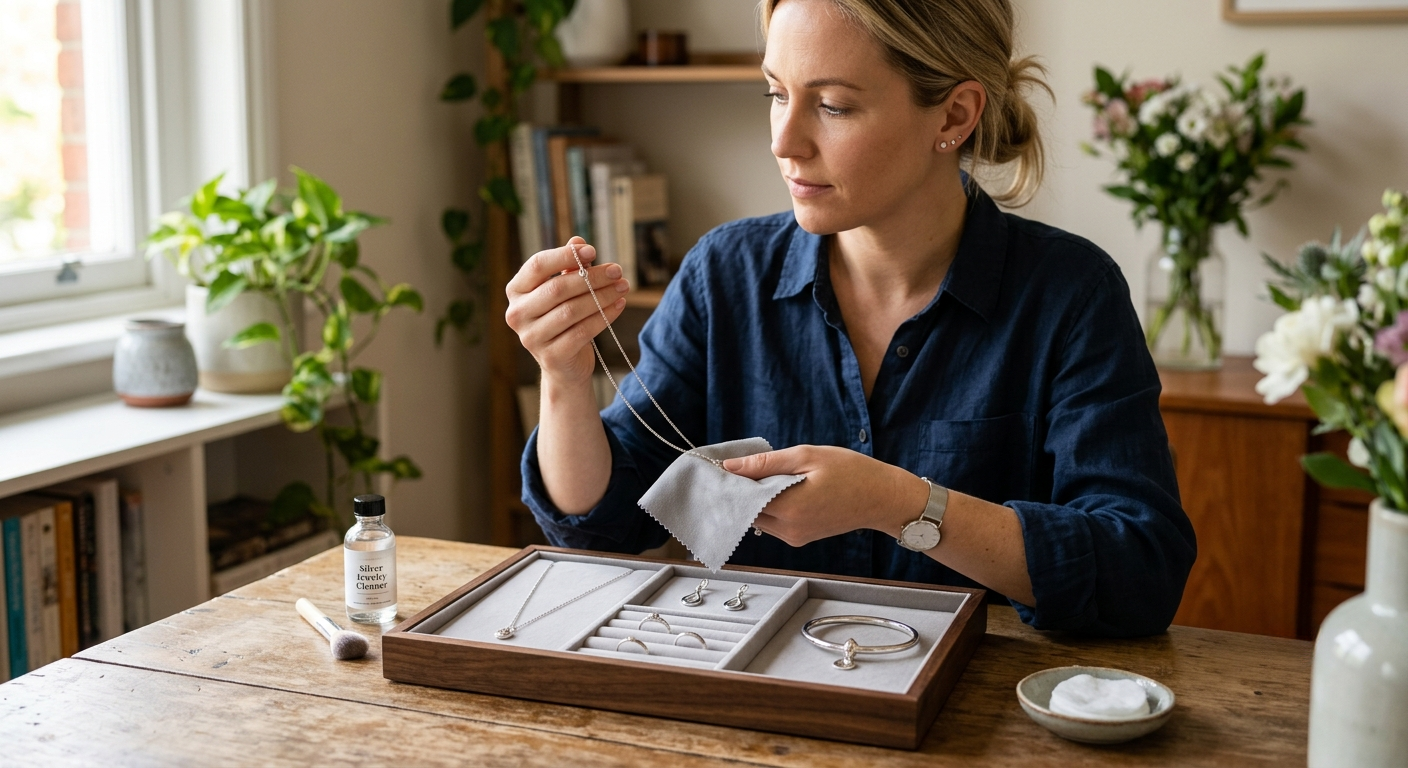
Proper storage, gentle cleaning, and mindful wearing habits all contribute to keeping pieces beautiful over time.
You can learn more about caring for your favorite pieces in our guide on jewelry care tips.
Why Everyday Jewelry Matters in Sustainable Fashion
Sustainability is not only about materials or production.
It is also about creating products people truly value.
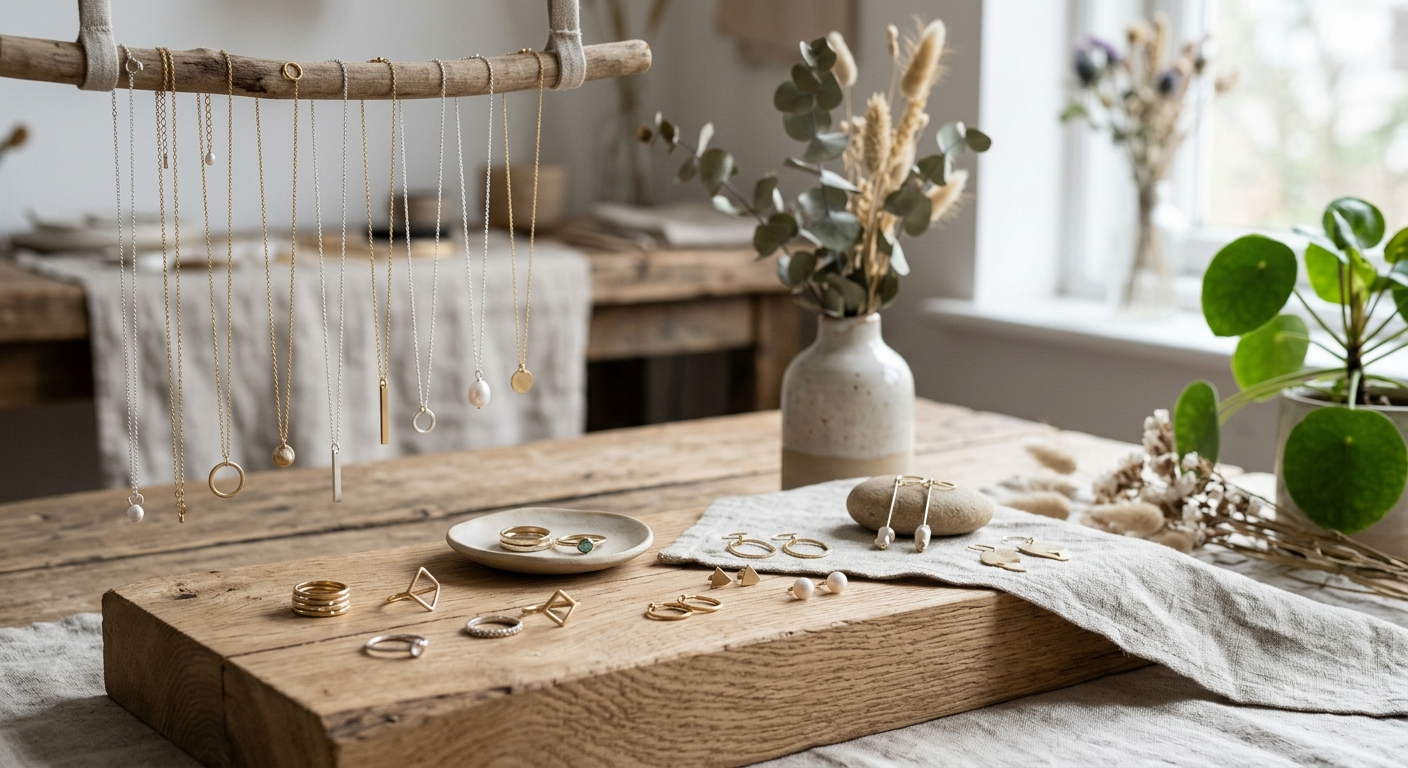
A piece of everyday jewelry that you wear repeatedly often becomes more meaningful than something bought for a single occasion.
A simple necklace worn with different outfits.
A pair of earrings chosen again and again.
A ring that becomes part of your personal style.
When jewelry becomes part of daily life, it carries more memories and creates more value over time.
This is why timeless designs and versatile pieces remain an important part of thoughtful fashion choices.
You can explore designs created for daily styling in our everyday jewelry collection.
Are Sustainable Jewelry Brands More Expensive?
Many people assume sustainable jewelry always comes with a higher price.
The reality is more complicated.
Pricing can depend on many factors, including:
- Materials
- Production methods
- Design complexity
- Brand positioning
- Manufacturing scale
A higher price does not automatically mean a more responsible product.
A lower price does not always mean a less thoughtful choice.
The most important thing is understanding what you are purchasing and choosing pieces that offer value over time.
The Future of Ethical and Sustainable Jewelry
The jewelry industry continues to change as customers become more interested in the stories behind the products they buy.
Future trends are likely to focus more on:
- Greater transparency
- Responsible production
- Thoughtful design
- Longer-lasting products
- More conscious shopping habits
Sustainability is not about making perfect choices every time.
It is about becoming more aware of the choices we make.
Frequently Asked Questions
What does ethical jewelry mean?
Ethical jewelry refers to jewelry created with attention to responsible production, fair practices, transparency, and the people involved behind each piece.
Is sustainable jewelry better?
Sustainable jewelry focuses on long-term value, thoughtful production, and reducing unnecessary impact. The best choice depends on your personal values and priorities.
How can I choose ethical jewelry?
Look for brands that provide clear product information, communicate their values, and create designs that you genuinely want to wear for a long time.
What makes a jewelry brand sustainable?
Sustainable jewelry brands consider factors such as materials, production methods, product lifespan, and responsible business decisions.
Final Thoughts
Jewelry is more than something we wear.
It can represent memories, personal style, and moments we want to remember.
As interest in ethical jewelry and sustainable jewelry continues to grow, shoppers have more opportunities to make thoughtful choices.
The pieces we value most are often not the ones we wear only once.
They are the ones that become part of our everyday stories.


Comments