


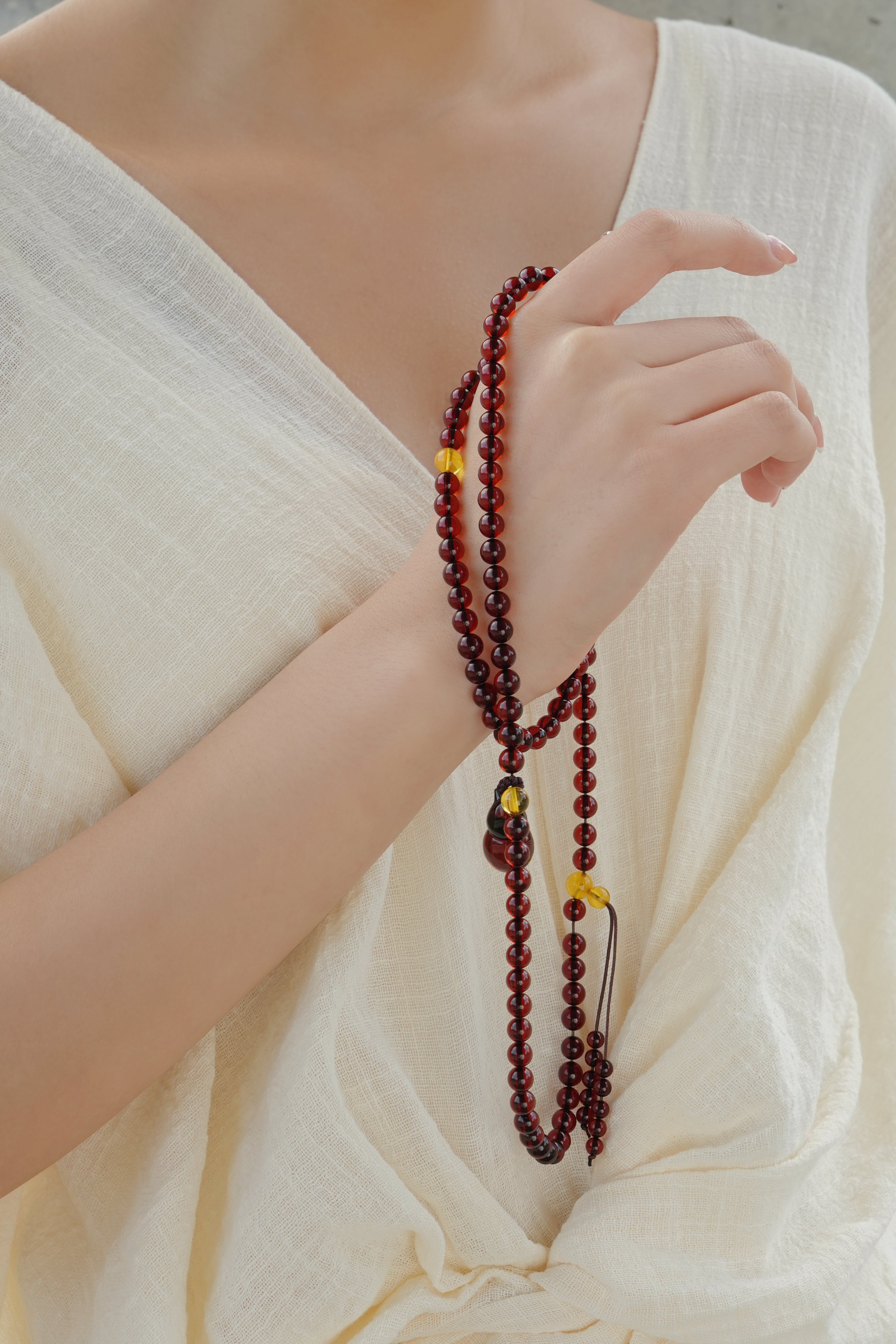

How Eastern-Inspired Jewellery Is Becoming Popular Worldwide
Discover why Eastern-inspired jewellery is gaining global attention, from meaningful symbols and modern designs to effortless everyday styling.
You don't have to look far to find Eastern-inspired jewellery today. A lotus pendant might appear next to a minimalist gold chain, while pearl details, cloud shapes, and traditional-inspired patterns are being worked into jewellery that looks nothing like a traditional piece.
That's part of what makes the trend interesting. The inspiration may come from an Eastern symbol, but the finished jewellery can feel completely at home with a modern wardrobe.
So how did these designs move from cultural motifs to something people around the world can wear so easily?
What Makes Eastern-Inspired Jewellery Different?
Eastern-inspired jewellery isn't one particular style. It can take inspiration from flowers, nature, traditional patterns, colours, materials, or symbols found across different Eastern cultures.
The interesting part is what happens after that inspiration is taken out of its original setting.
A traditional motif can become a small pendant. A flower can become the detail on a pair of hoops. A familiar symbol can be simplified until it works with a T-shirt and jeans.
That doesn't make the original inspiration less important. It simply gives the idea a new way to be worn.
You may also come across the term Asian-inspired jewellery. The two descriptions can overlap, but they aren't always interchangeable, so it's better to look at the actual inspiration behind a design rather than treating every Eastern-inspired piece as the same.
Why Does the Lotus Work So Well in Modern Jewellery?
The lotus is a good example of how a traditional symbol can fit into contemporary design.
First, it has a shape that works naturally as jewellery. The layered petals can be simplified, repeated, or turned into a small decorative detail without losing their identity.
Then there's the meaning. Lotus symbolism is often connected with growth, renewal, resilience, and new beginnings. Those ideas are easy to relate to even if you don't have a personal or cultural connection to the flower.
If you're interested in the meaning behind the symbol itself, you can read more in What Does Lotus Jewellery Mean?.
The design can also change the way the symbol feels. YUHE's lotus hoop earrings bring the lotus into a familiar hoop silhouette. Instead of looking like a traditional ornament, the floral detail becomes part of a piece that can be worn with everyday clothes.
That's a useful example of where Eastern inspiration and modern jewellery design meet.
Why Are Traditional Symbols Being Used in Modern Designs?
People don't always want jewellery that looks completely familiar.
There are plenty of classic jewellery motifs that have been around for years. Hearts, stars, butterflies, crosses, and simple geometric shapes are easy to find. Eastern-inspired designs offer another visual language without requiring an entirely different way of dressing.
A small symbol can make a simple piece feel more distinctive.
It also gives people something to talk about. A necklace with an unusual pendant may start a conversation about where the design came from or what the symbol represents.
For some shoppers, the story is the reason they buy it. For others, the shape simply catches their eye first.
Both are perfectly natural ways to discover a piece.
Is Eastern-Inspired Jewellery Only for Asian Consumers?
Not necessarily.
Cultural inspiration doesn't mean a piece can only be worn by someone from that culture. People have always been drawn to jewellery from places and traditions outside their own.
Someone might choose a lotus necklace because of its symbolism. Another person might like the flower simply because it looks beautiful. Someone else might be interested in the history behind the design.
There is no single reason to wear it.
At the same time, cultural symbols deserve some context. A design can be appreciated for its appearance while still recognising that it may have a history that goes beyond decoration.
That balance makes the jewellery more interesting, not less accessible.
Why Does Eastern-Inspired Jewellery Work for Everyday Wear?
One of the biggest changes is the way these elements are being presented.
Traditional jewellery can sometimes be associated with ceremonies, celebrations, or formal occasions. Modern Eastern-inspired jewellery doesn't have to follow that pattern.
A simple lotus pendant can work with a white shirt. Small symbolic earrings can be worn with denim. A bracelet with a traditional-inspired detail can sit alongside a watch or other everyday pieces.
You don't need to build an outfit around the jewellery.
This is important because most jewellery that becomes part of someone's regular collection is jewellery they can wear without thinking too much about it.
The more naturally a design fits into everyday clothing, the more opportunities there are to wear it.
How Are People Wearing Eastern-Inspired Jewellery Today?
There isn't a single way to style it.
Someone who prefers minimal outfits might choose one small symbolic pendant. Another person might layer an Eastern-inspired necklace with simple chains.
Hoop earrings are another easy starting point because the basic shape is already familiar. Adding a lotus, floral, or other cultural detail changes the look without making it feel overly themed.
The same idea works with rings and bracelets. You can wear one symbolic piece on its own or combine it with jewellery you already own.
The result doesn't need to look traditionally Eastern from head to toe. Sometimes one small detail is enough.
If you're interested in choosing jewellery that can work across different outfits, our article on choosing everyday jewellery in South Africa looks at what makes a piece practical for regular wear.
Will Eastern-Inspired Jewellery Become a Lasting Trend?
It's difficult to say whether any particular jewellery trend will last, but the idea behind Eastern-inspired jewellery has more staying power than a short-lived fashion detail.
A design based only on what's currently popular can feel dated once the trend disappears. Symbols with recognisable shapes and personal meaning have a better chance of staying relevant.
The key is the design.
When an Eastern-inspired motif is turned into jewellery that feels comfortable, well-proportioned, and easy to style, it doesn't need to depend on a trend. The cultural inspiration becomes part of the design rather than the entire reason for it.
That's also why the same type of jewellery can appeal to very different people.
Final Thoughts
Eastern-inspired jewellery isn't becoming popular simply because people are looking for something “different”. Good design has made these symbols easier to appreciate and wear in everyday life.
A lotus can become a modern pair of hoops. A traditional-inspired pattern can become a subtle pendant. A familiar piece of jewellery can carry an idea or story that isn't immediately obvious.
You don't need to know everything about a symbol before you can appreciate it. Sometimes the shape catches your eye first, and the story gives you another reason to keep wearing it.



Comments