


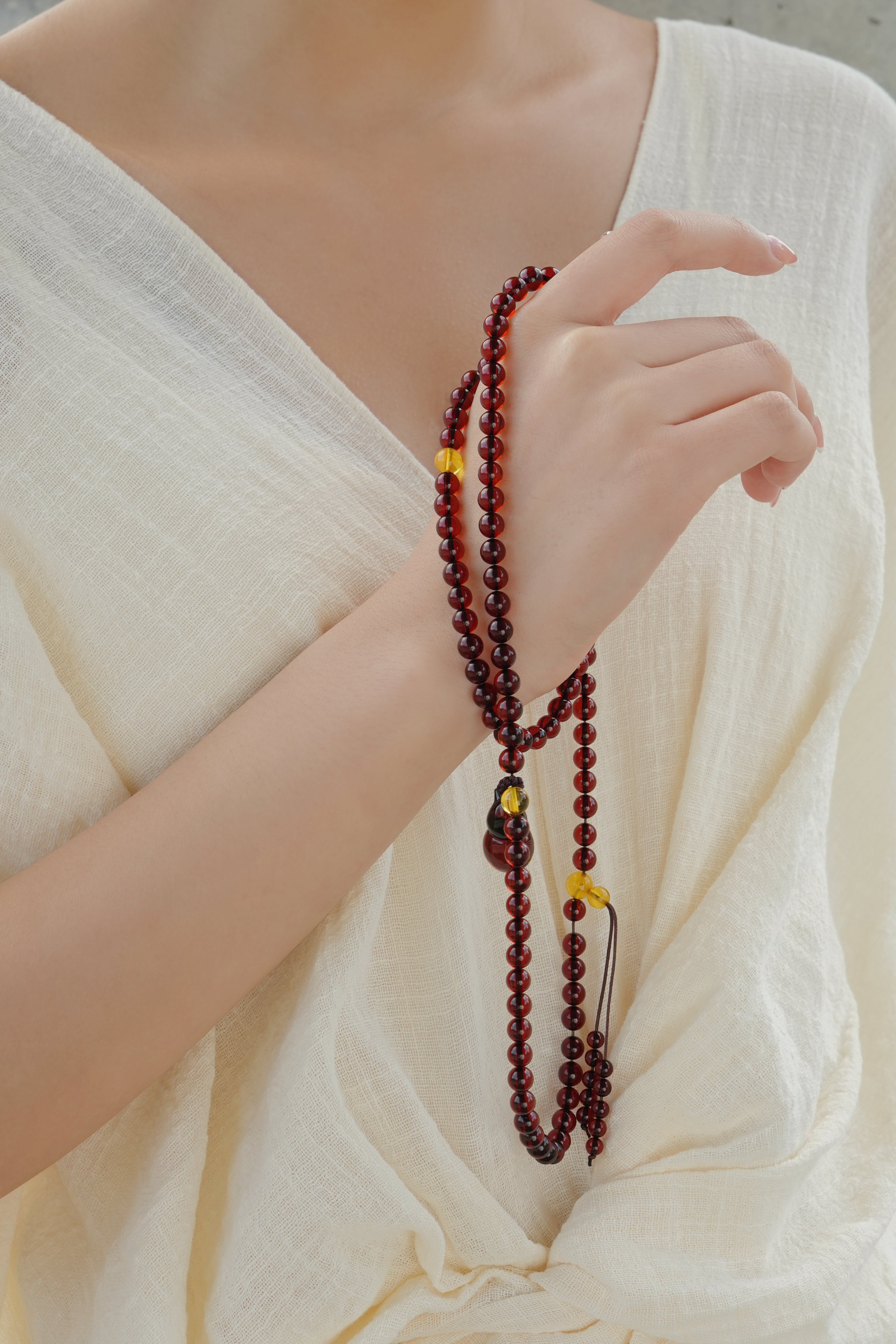

Mood Necklace Colors and Meanings: What Does Each Color Mean?
From 70s nostalgia to modern luxury, explore how mood necklace colors and symbolic gemstones translate our deepest emotions into style.
If your jewelry box holds a singular, vivid memory of the 1970s or 90s, it likely involves a swirling pool of liquid crystal. The mood necklace was the ultimate "it" accessory—a piece of jewelry that claimed to know you better than you knew yourself. Before we had smart rings to track our stress or apps to categorize our sleep cycles, we had a pendant that turned a suspicious shade of charcoal whenever we were asked to do math in public.
But beneath the kitschy charm of these thermochromic wonders lies a deeper human obsession. We have always looked to our adornments to translate the wordless complexity of our internal lives. Whether you’re nostalgic for the retro glow of your youth or you’re curating a high-end collection of "power stones," understanding color meanings for mood necklace designs is the first step in mastering the silent language of jewelry.
The Science of the Shifting Stone
The mood necklace wasn't magic; it was chemistry wearing a silver-plated disguise. These pieces utilized thermochromic liquid crystals that shifted their molecular structure based on temperature. Because our skin temperature fluctuates with our blood flow—which reacts to our nervous system—the necklace acted as a low-tech biofeedback device.
When you were "in the zone" or feeling romantic, your surface temperature rose, pushing the crystals into the blue or violet spectrum. When you were stressed or cold-hearted (literally), the crystals cooled into a murky black. It was the first time jewelry became a two-way conversation between the body and the beholder, a precursor to the "wellness jewelry" we see today.
Color Meanings for Mood Necklace: What Do the Shades Really Represent?
To the uninitiated, the shifting palette of a mood ring can feel like a random light show. However, the original creators developed a specific emotional shorthand that still influences how we perceive jewelry today. If you’ve ever wondered what do mood necklace colors mean, here is the quintessential breakdown of that kaleidoscopic spectrum:
- The Royal Blue of Bliss: Often considered the "peak" color, a deep, vibrant blue signaled that the wearer was calm, relaxed, and perhaps a bit flirtatious. It was the color of a Sunday afternoon with no obligations.
- The Teal of Tranquility: A slightly greener blue suggested a state of "alert relaxation." You were peaceful but present—the mental equivalent of a perfect yoga session.
- The Baseline Green: Most mood necklace colors and meanings start here. Green was the "neutral" setting. It meant you were balanced, regulated, and not currently experiencing any major emotional spikes.
- The Amber of Anxiety: A yellowish-orange hue often indicated a "mixed" state. It was the color of nervous energy, jitters, or that specific brand of excitement that feels suspiciously like stress.
- The Volatile Red: In the world of symbolic jewelry colors, red is a double-edged sword. On a mood necklace, it often signaled high energy, passion, or intense anger—basically, your internal thermostat was pinned to the max.
- The Void of Black: This was the color no one wanted to see. Black meant the crystals weren't being "excited" by any heat. While it technically meant you were cold, it was symbolically interpreted as being stressed, harried, or emotionally "shut down."
Beyond the Reactive: The Rich History of Jewelry Color Symbolism
While the mood necklace is a relatively modern invention, the meaning of colors in jewelry is a narrative that stretches back to antiquity. We didn’t start caring about the "vibe" of a stone in 1975; we’ve been using color to ward off evil, attract wealth, and signal status since we first pulled lapis lazuli from the earth.
In ancient Egypt, blue wasn't just a pretty shade; it was the color of the heavens and the Nile, represented by turquoise to symbolize fertility and protection. In the Victorian era, jewelry became even more coded with "acrostic" designs, where the first letter of each gemstone spelled out a secret word. This transition from reactive jewelry (like the mood necklace) to proactive jewelry (choosing a stone for its inherent meaning) marks the evolution of the modern collector. We are no longer just observing our moods; we are manifesting them through jewelry color symbolism.
Gemstone Color Meanings in Modern Design
Today, the "mood" we wear is a deliberate choice. High-end designers are leaning into gemstone color meanings to create pieces that act as talismans for the wearer. When you choose a piece of jewelry today, you aren't just matching an outfit; you’re setting an intention.
- The Power of Green: While a green mood necklace meant "normal," a modern emerald or peridot represents growth, renewal, and prosperity. It is the color of the heart chakra, worn by those looking to open themselves up to new beginnings.
- The Sophistication of Blue: Moving past the "happy" blue of the 70s, modern blue sapphires are worn for clarity and truth. It is the color of the visionary—calm, authoritative, and deeply rooted in wisdom.
- The Fire of Modern Reds: We’ve traded the "angry" red of the mood ring for the empowering red of rubies. In contemporary design, red is the color of vitality, courage, and the refusal to be ignored.
Choosing with Intention: The New Mood
The charm of the mood necklace was its unpredictability—the thrill of looking down and seeing a color you didn’t expect. But there is a different kind of magic in the intentionality of modern design. Today’s most stylish individuals aren't letting a liquid crystal decide if they’re stressed or calm. Instead, they’re choosing colors that serve as a "nudge" toward the state of mind they want to inhabit.
We’ve moved from jewelry that tells us how we feel to jewelry that reminds us how we want to live. Whether it’s a nostalgic color-changing pendant or a steady, sparkling sapphire, the color you wear is the most powerful word in your personal vocabulary. It is a visual diary of your intentions, your memories, and your aspirations.
FAQs
What is the most common color for a mood necklace?
Green is typically the "resting" color for most mood jewelry, representing a balanced body temperature and a neutral emotional state.
Why does my mood necklace stay black?
While mood necklace colors and meanings usually point to "stressed," it often just means your skin temperature is low or the liquid crystals have been damaged by moisture.
Can mood necklaces get wet?
Most are sensitive to water. Moisture can seep into the seal and damage the crystals, turning the stone permanently grey or black.
What does a purple mood necklace mean?
Purple is often the "peak" of the warm spectrum, symbolizing a state of intense passion, deep love, or spiritual tranquility.


Comments