


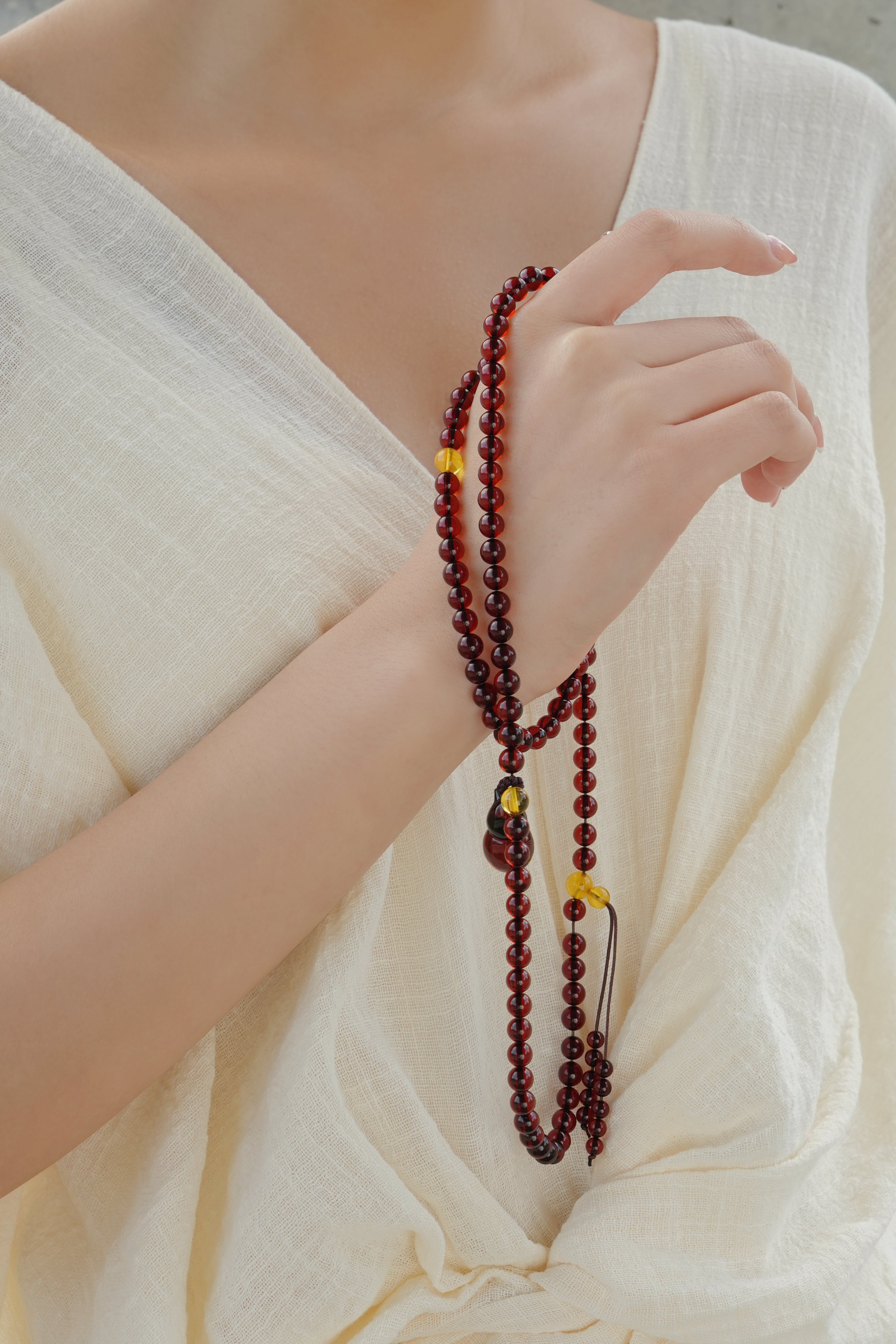

Alloy vs Silver Jewelry: What’s the Real Difference? (A Practical Guide)
Discover the real difference between alloy and silver jewelry. This practical guide compares price, durability, and skin sensitivity to help you choose.
Alloy vs Silver Jewelry: The Quick Verdict
When you’re browsing for a new necklace or a pair of earrings, you often find yourself stuck between two choices: alloy and silver. If you’re looking for the short answer to help you decide right now, here’s how I usually break it down: silver jewelry (specifically sterling silver) is like a long-term relationship—it’s a precious metal that stays with you for years. Alloy jewelry, on the other hand, is like a fun weekend trip—it’s versatile, trend-driven, and incredibly easy on the wallet.
Neither is objectively "better" than the other in every case. It really just depends on what you need for your jewelry box right now. Are you looking for a high-quality investment piece that you can cherish for a lifetime? You might want to browse our collection of fine jewelry. But if you want something bold, chunky, and sparkly for a party this weekend or to match a specific seasonal outfit, alloy is your best friend.
What Is Alloy Jewelry? (And Why We Love It)
Alloy jewelry is essentially a "recipe" of different metals. Instead of using one pure metal, makers mix two or more—like copper, zinc, or tin—to create a material that is stronger, more durable for complex shapes, and much more affordable.
Why it’s the go-to for modern style
Designers love working with alloy because it is incredibly malleable. Most of the trendy, high-fashion pieces you see in online hauls are actually alloy, usually finished with a thin, beautiful plating of gold or silver to give them that premium glow. This flexibility allows for those chunky, intricate, or super-detailed designs that would be far too heavy or way too expensive if they were made of solid precious metal. If you want to try out the latest "it-girl" aesthetic without committing to a huge investment, alloy jewelry makes it possible.
The honest pros and limitations
- The Best Parts: It’s incredibly budget-friendly and lightweight. You can own ten different styles for the price of one high-end silver piece, giving you endless freedom to experiment with your look.
- The Reality Check: Is alloy jewelry good quality? It depends on your expectations. It isn’t meant to be a family heirloom. Over time, the outer plating can wear down, exposing the base metal underneath.
Sterling Silver: The Timeless Precious Metal
When you see "silver" in a jewelry shop, it's almost always Sterling Silver, or 925 Silver. Pure silver is actually a bit of a "softie"—it’s too delicate to hold its shape as a ring or a fine chain. To make it functional for everyday life, it’s mixed with 7.5% other metals (usually copper), resulting in the 92.5% purity standard.
The science of why silver tarnishes
A lot of people worry that if their silver turns a bit dark or grey, it’s "fake" or poor quality. Actually, it’s the opposite! Does silver jewelry tarnish? Yes, but that’s just a natural chemical reaction. Silver reacts with sulfur in the air (and even some lotions or perfumes) to form silver sulfide, which creates that dark patina. The good news? You can polish it right back to a mirror shine in seconds. Unlike alloy, silver is a metal that can always be "reset" to its original beauty.
Alloy vs Silver Jewelry: Side-by-Side Comparison
To help you decide which is better alloy or silver jewelry for your current mood and needs, let's look at the facts:
| Feature | Alloy Jewelry | Silver Jewelry |
| Price | Budget-friendly (typically $10–$50) | Mid-range (typically $30–$200+) |
| Weight | Usually lighter; great for statement pieces | Denser; has a "luxury" heft |
| Tarnishing | May fade or change color permanently | Turns dark, but can be polished back |
| Skin Sensitivity | Varies; check for "nickel-free" labels | Generally hypoallergenic and safe |
| Durability | Best for occasional or seasonal wear | Can last a lifetime with care |
Which Is Better for Everyday Wear?
I get asked this a lot: "can you wear alloy jewelry every day?"
The honest answer is: you can, but you should expect it to show its age faster. For a high-impact look that you only plan to wear for a few months while a trend is hot, alloy is perfect. However, for a "set it and forget it" piece—like a necklace you never take off or your favorite pair of daily hoops—silver is the better choice.
Because alloy is often plated, constant friction against your skin, clothing, and sweat will eventually wear the finish down. If you prefer low-maintenance jewelry that stays beautiful even after years of daily wear, sterling silver is your reliable partner.
Does Alloy Jewelry Tarnish More Than Silver?
Technically, both materials change over time, but the way they react to your environment is quite different.
Does alloy jewelry tarnish? Yes, but it’s often described as "fading." When the plating wears off, the base metal is exposed, which can lead to that common question: why necklace turns skin green. This usually happens when the copper in the alloy reacts with the acids in your sweat. It’s a harmless reaction, but it can be annoying if you aren't expecting it.
Silver jewelry, on the other hand, turns black or grey due to sulfur exposure. While it looks dramatic, it’s actually just a surface layer. A quick rub with a specialized polishing cloth and the tarnish disappears. The role of sweat, moisture, and your daily habits will determine how fast either material changes.
Comfort & Safety: Best Options for Sensitive Skin
We’ve all been there—wearing a cute pair of earrings only to have itchy, red ears an hour later. If you have sensitive skin, you’re likely searching for the best earrings for sensitive ears.
Historically, many alloys contained nickel, which is the leading cause of metal allergies. Modern, high-quality alloy jewelry is often labeled "nickel-free" or "lead-free," making it much safer for most people. However, if you have highly reactive skin, sterling silver is generally the "gold standard" for safety. It is naturally hypoallergenic and very kind to those who struggle with metal sensitivities.
- Practical Tip: If you love an alloy piece but it irritates you, try coating the part that touches your skin (like an earring post) with a thin layer of clear nail polish to create a protective barrier.
How to Make Your Jewelry Last Longer
Whether you choose alloy or silver, a little bit of care will keep your pieces shining for much longer.
Alloy jewelry care tips
- Keep it dry: Remove alloy pieces before showering, swimming, or exercising. Moisture is the biggest enemy of plating.
- Last on, first off: Apply your perfume, hairspray, and lotion before putting on your jewelry to avoid chemical damage.
- Store separately: Keep alloy pieces in individual small bags to prevent them from scratching against harder metals.
Silver jewelry care tips
- Wear it often: Believe it or not, the natural oils in your skin actually help keep silver from tarnishing!
- Use a polishing cloth: A specialized silver cloth is much better than a paper towel, which can actually scratch the soft surface of silver.
- Airtight storage: When you’re not wearing it, store silver in a small Ziploc bag to limit its exposure to oxygen and sulfur in the air.
FAQ
Is alloy jewelry bad quality?
Not at all! It’s just designed for a different purpose—fashion, variety, and affordability. Think of it like a trendy seasonal outfit versus a classic wool coat. Both have their place.
Does alloy jewelry turn green?
It can if the copper in the base metal reacts with your skin's moisture. Keeping the jewelry dry and applying a clear barrier can prevent this.
Is silver jewelry worth the price?
If you want a piece that retains its value and can be refurbished to look brand new for decades, then yes, silver is definitely worth the investment.
Can you wear alloy jewelry every day?
You can, but the plating will wear down over time. It’s perfect for rotating through different styles rather than wearing the exact same piece 24/7.
Which lasts longer, alloy or silver jewelry?
Silver takes the win for longevity because it is a solid precious metal that can be cleaned and polished forever.
Conclusion
Choosing between alloy vs silver jewelry ultimately comes down to your personal style and how you plan to wear the piece. Alloy is your best friend for bold, trendy, and fun accessories that allow you to express your personality without a huge financial commitment. Silver is the reliable choice for classic, everyday pieces that you want to keep as part of your permanent collection.
Next time you’re shopping, think about the "role" that piece will play in your life. There’s a place for both in every modern jewelry box!
Would you like me to help you pick out a specific piece from our fine jewelry line for an upcoming special occasion?



Comments